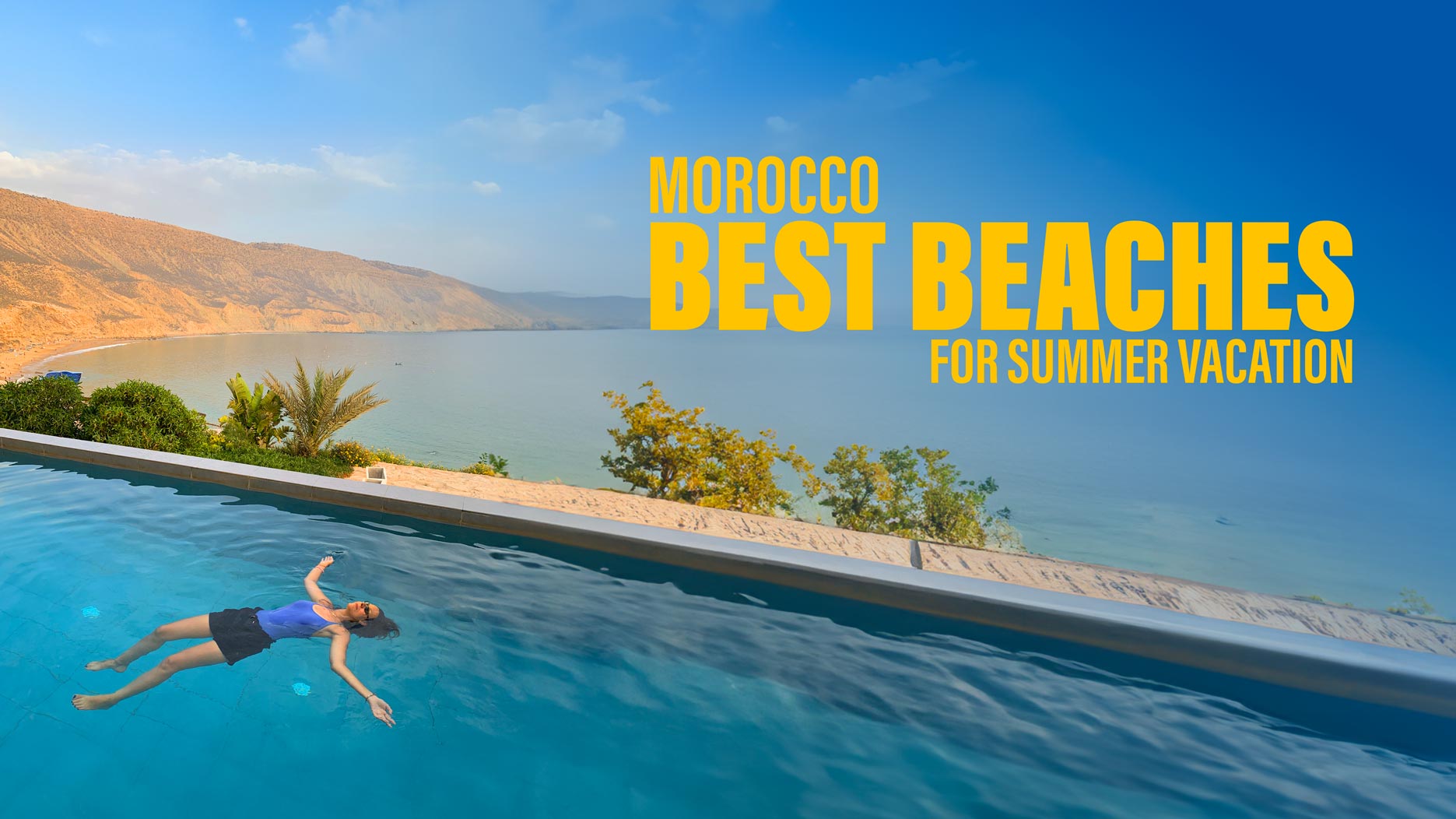
Morocco has over 1,800 miles of coastline stretching across both the Atlantic Ocean and Mediterranean Sea. While most tourists focus on inland cities like Marrakech and Fez, Morocco’s coastal cities offer something completely different: pristine beaches, fresh seafood, water sports, and a more relaxed pace.
If you’re planning a summer beach vacation in Morocco, choosing the right coastal city matters. Some cities are built for families with calm waters and full infrastructure. Others are surf havens with consistent waves and laid-back vibes. Some combine beach relaxation with rich culture and medina exploration.
This guide ranks Morocco’s best beach cities based on their beaches, restaurants, hotels, and overall summer vacation appeal.
Atlantic Coast Beach Cities
1. Agadir and Region: Morocco’s Premier Beach Resort City
Agadir is Morocco’s most developed beach destination and the top choice for families seeking a classic beach resort experience.
Beaches in Agadir Region:
- Agadir Beach (main city beach, 10km long)
- Taghazout (surf village)
- Tamraght (surf spot)
- Aourir (family beach)
- Imi Ouaddar (Imiouadar) with aqua park
- Aghroud (Rainbow Village, colorful painted buildings)
- Tamri (banana plantations, bird watching)
- Imourane Beach
Beach Quality: Agadir’s main beach is wide, sandy, clean, and safe. Lifeguards patrol during summer. Water temperature reaches comfortable levels June-September. The Atlantic can have waves, but swimming zones are marked and protected.
North of Agadir, beaches like Taghazout and Tamraght are world-class surf destinations with consistent year-round waves. These spots attract surfers from around the globe.
Restaurants: Agadir has the best restaurant infrastructure of any Moroccan beach city. You’ll find everything from beachfront seafood grills to international cuisine (Italian, Asian, French). The marina area has upscale dining. Local restaurants serve fresh fish at reasonable prices.
Standout dining areas: Marina d’Agadir, Boulevard du 20 Août (beachfront promenade).
Hotels: Agadir offers the widest range of accommodations in Morocco’s beach cities. Large resort hotels dominate the beachfront (think pools, spas, all-inclusive options). Mid-range hotels provide good value. Budget options exist further from the beach.
Many hotels cater specifically to families with kids’ clubs, pools, and organized activities.
Best For: Families, resort seekers, first-time Morocco beach visitors, those wanting full infrastructure and safety.
Summer Vibe: Busy but never overcrowded. International tourists (especially Europeans) mix with Moroccan families.
2. Essaouira: Culture Meets Coast
Essaouira is the perfect blend of authentic Moroccan culture and Atlantic coast beaches. This UNESCO-protected medina sits right on the ocean.
Beaches in Essaouira:
- Essaouira Beach (main city beach, wide and sandy)
- Sidi Kaouki (17 miles south, quieter, family-friendly)
Beach Quality: Wide sandy beach stretching for miles. The water is cool (Atlantic) and the wind is constant. This makes it ideal for windsurfing and kitesurfing but less ideal for sunbathing. The beach never feels crowded even in peak summer.
Restaurants: Essaouira has excellent dining. The harbor area is famous for fresh seafood grilled on-site. You choose your fish from the day’s catch and it’s grilled immediately. The medina has traditional Moroccan restaurants, modern cafes, and international options.
The food scene is authentic without being touristy. Prices are reasonable.
Hotels: Boutique riads dominate Essaouira’s accommodation scene. These traditional Moroccan guesthouses sit inside the medina walls. Many have rooftop terraces with ocean views. Beachfront hotels exist but are limited. The medina riads offer more character and charm.
Best For: Couples, culture seekers, windsurfers/kitesurfers, travelers wanting beach + authentic Morocco experience.
Summer Vibe: Relaxed, artistic, bohemian. Wind keeps temperatures comfortable even in peak summer.
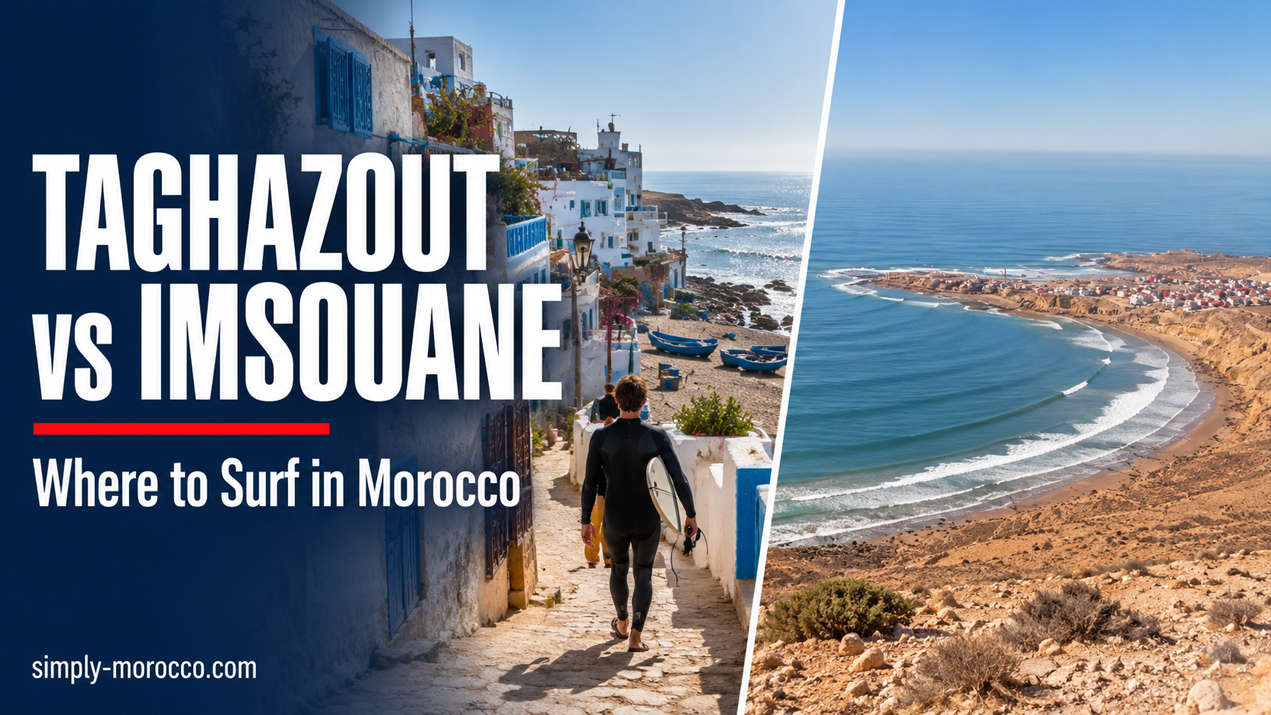
3. Imsouane: Surf Town Simplicity
Imsouane is a small fishing village that’s become legendary among surfers. It’s 100km north of Agadir but feels worlds away from resort culture.
Beaches in Imsouane:
- Imsouane Bay Beach (world-famous longboard wave)
Beach Quality: The bay offers protected swimming and one of the world’s longest right-hand point breaks for surfing. The beach is sandy with dramatic mountain backdrops. Water is Atlantic-cool. This is a surf-first beach, not a sunbathing resort.
Restaurants: Simple, authentic, affordable. Fresh fish is the specialty (it’s a working fishing village). Beachfront cafes serve tagines, grilled fish, and breakfast. Don’t expect fine dining. Expect honest, good food at local prices.
Hotels: Guesthouses, surf camps, and basic hotels. Accommodations are simple but clean. This isn’t luxury travel. It’s authentic village life with excellent surf.
Best For: Surfers (all levels), budget travelers, those seeking authentic Morocco away from tourism.
Summer Vibe: Laid-back, international surf community, fishing village authenticity.
4. Dakhla: Remote Kitesurfing Capital
Dakhla sits far south, near Western Sahara. It’s remote, wild, and world-renowned for kitesurfing.
Beaches in Dakhla:
- Dragon Island
- 25 km Beach
- White Dune
Beach Quality: Pristine, empty, wild. The lagoon offers warm shallow water perfect for kitesurfing. Wind blows 300+ days per year. Atlantic beaches are dramatic and untouched. This is not a swimming/sunbathing destination. It’s an adventure sports paradise.
Restaurants: Growing but limited. Hotels and kite camps have restaurants. Fresh seafood is available. The town has basic dining options. This isn’t a foodie destination.
Hotels: Kite camps and hotels cater specifically to kitesurfers and windsurfers. Accommodations range from basic camps to upscale lodges. Infrastructure is developing but still limited compared to northern cities.
Best For: Kitesurfers, windsurfers, adventure travelers, those seeking remote, off-beaten-path Morocco.
Summer Vibe: International kite community, desert-meets-ocean landscape, wild and empty.
5. El Jadida and Oualidia: Family Lagoon Paradise
El Jadida is a historical coastal city with Portuguese heritage. Nearby Oualidia offers a unique lagoon experience.
Beaches in El Jadida Region:
- Oualidia (protected lagoon, famous for oysters)
- El Jadida beaches (city beaches)
Beach Quality: Oualidia’s lagoon is shallow, warm, and protected from Atlantic waves. Perfect for families with small children. The ocean beach nearby offers waves and open Atlantic swimming. El Jadida’s city beaches are decent but less special than Oualidia.
Restaurants: Oualidia is famous for oyster farms. Waterfront restaurants serve the freshest oysters in Morocco. Seafood quality is excellent. El Jadida has good local restaurants and some tourist-oriented spots.
Hotels: Oualidia has boutique hotels and guesthouses, some with stunning lagoon views. El Jadida offers more standard hotel options. Both cater well to families.
Best For: Families with young children (lagoon is incredibly safe), food lovers (oysters!), nature enthusiasts (birdwatching).
Summer Vibe: Peaceful, family-oriented, nature-focused.
6. Mohammedia: Easy Access Beach City
Mohammedia sits close to both Casablanca and Rabat, making it highly accessible.
Beaches in Mohammedia:
- Sablettes Beach (most famous, good surf)
- Mannesman Beach
- Miramar Beach
- Bouznika Beach (nearby)
Beach Quality: Sablettes is wide, sandy, and popular for surfing. Waves can be strong. Other beaches offer calmer swimming. Water quality varies by beach. These are working-class Moroccan beaches, not resort beaches.
Restaurants: Local restaurants serve Moroccan staples and fresh fish. Don’t expect tourist infrastructure. This is where Moroccans go for beach weekends, so dining is authentic and affordable.
Hotels: Mid-range hotels and guesthouses. Nothing fancy. Accommodations serve primarily Moroccan visitors rather than international tourists.
Best For: Those based in Casablanca/Rabat wanting quick beach access, budget travelers, surfers, authentic local beach experience.
Summer Vibe: Local, working-class beach culture, crowded on weekends.
7. Sidi Ifni and Mirleft: Southern Coastal Charm
Sidi Ifni retains Spanish colonial architecture and a time-capsule feel. Mirleft nearby offers additional beaches.
Beaches in Sidi Ifni Region:
- Legzira Beach (famous red rock arches, dramatic scenery)
- Sidi Ifni town beach
- Imin Tourga (Mirleft, hidden coves)
Beach Quality: Legzira is Morocco’s most photographed beach with stunning natural rock formations. The town beach is adequate. Imin Tourga offers hidden coves and authentic fishing village vibes. Atlantic waters are cool with strong waves.
Restaurants: Simple, local restaurants serving fresh fish and Moroccan dishes. Limited tourist infrastructure. Authentic pricing.
Hotels: Basic hotels and guesthouses. Some charming riads. Nothing luxury. This is off-beaten-path travel.
Best For: Photographers, nature lovers, surfers, travelers seeking remote, undeveloped Morocco.
Summer Vibe: Quiet, authentic, dramatic coastal scenery.
8. Kenitra Region: Moulay Bousselham Lagoon
Moulay Bousselham is a lagoon town 100km from Kenitra, known for birdwatching and peaceful beaches.
Beaches:
- Moulay Bousselham Beach (lagoon and ocean)
Beach Quality: Protected lagoon offers calm swimming. Ocean beach nearby has Atlantic waves. The lagoon is a major bird habitat, attracting flamingos and herons.
Restaurants: Local seafood restaurants. Simple, authentic, affordable.
Hotels: Basic guesthouses and small hotels. Limited options.
Best For: Birdwatchers, nature enthusiasts, quiet family getaways.
Summer Vibe: Very quiet, nature-focused, local.
Mediterranean Coast Beach Cities
9. Tetouan Region: Best City for Mediterranean Beaches
Tetouan is the clear winner for Mediterranean beach diversity and quality. The region offers the most beautiful and varied beaches in northern Morocco.
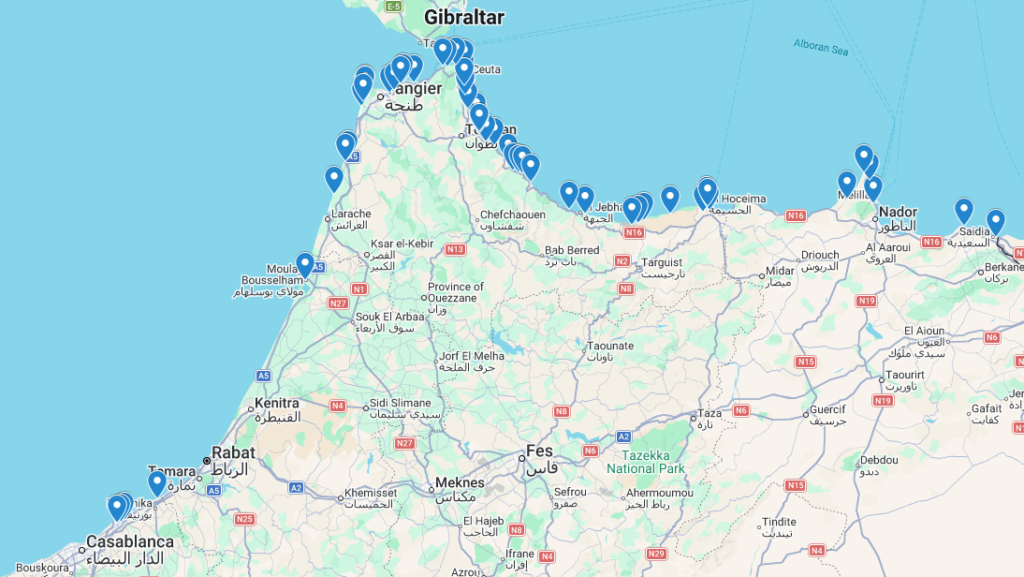
Beaches in Tetouan Region:
- Martil Beach (closest to city, 5km, wide promenade)
- M’diq Beach (popular, full infrastructure)
- Kabila Beach (ranked #1 in entire Tangier-Tetouan-Al Hoceima region)
- Cabo Negro Beach (exclusive, luxury resort area)
- Marina Smir Beach (resort development)
- Tamernout Plage
- Fnideq Beach
- Restinga Smir
- Almina Beach
- Azla Beach
- Amsa Beach
- Tamrabt Beach
Beach Quality: Outstanding. Mediterranean waters are warmer and calmer than Atlantic. Beaches range from wide sandy stretches to hidden coves. Kabila Beach specifically has crystal-clear water, 3km of white sand, and excellent facilities. Cabo Negro is the most exclusive with pristine conditions.
Tetouan region beaches are consistently clean, well-maintained, and family-friendly.
Restaurants: Excellent. Each beach town has waterfront promenades lined with cafes and restaurants. Fresh seafood is everywhere. M’diq and Martil have the most options. Prices are reasonable. Quality is high.
Cabo Negro and Marina Smir offer more upscale dining.
Hotels: The full spectrum. Cabo Negro has luxury resorts and private villas. Marina Smir has resort hotels. Martil and M’diq have mid-range hotels and apartments. Kabila has beachfront hotels. Budget options exist throughout.
Tetouan region has the best hotel infrastructure on the Mediterranean coast.
Best For: Families (calm Mediterranean water), beach variety seekers, those wanting multiple beach options from one base, Mediterranean warmth.
Summer Vibe: Lively, family-oriented (especially Moroccan families), Mediterranean resort atmosphere.
Why Tetouan Wins: More beaches in one region than anywhere else in Morocco. Highest-ranked beaches. Best combination of quality + variety + infrastructure.
10. Tangier: Where Two Seas Meet
Tangier sits where the Atlantic Ocean meets the Mediterranean Sea, offering unique coastal positioning.
Beaches in Tangier:
- Tangier Beach (Plage Municipale, city center)
- Plage Dalia
- Achakkar Beach
- Sol Beach (Cap Spartel)
- Ba Kacem Beach (Cap Spartel, Blue Flag certified)
- Sidi Kacem Beach
- Malabata Beach
- Kaa Asras Beach
- Merkala Beach
Beach Quality: Varies significantly. Municipal Beach is convenient but crowded. Achakkar and Cap Spartel beaches (Sol, Ba Kacem) are the best with dramatic cliffs, better water quality, and more space. Ba Kacem is Blue Flag certified for cleanliness.
Atlantic-side beaches have stronger currents. Mediterranean-influenced beaches are calmer.
Restaurants: Good variety. Beachfront restaurants exist at most beaches. The city has international dining, seafood spots, and Moroccan restaurants. Marina area offers upscale options.
Hotels: Full range from budget to luxury. Beachfront hotels exist but many are in the city with beach access nearby. Tangier is more city-with-beaches than pure beach destination.
Best For: City + beach combination, history enthusiasts (explore Tangier + beach time), those wanting easy access to Spain.
Summer Vibe: Urban beach culture, mix of Moroccan and international visitors, more city than resort.
11. Asilah: Artistic Coastal Charm
Asilah is a small, whitewashed coastal town known for its annual arts festival and relaxed Mediterranean vibe.
Beaches in Asilah:
- Asilah Beach (main town beach)
- Paradise Beach (nearby)
Beach Quality: Clean, uncrowded Mediterranean beaches. Calm water suitable for families. Sandy shores with blue water. Not as dramatic as Atlantic beaches but very pleasant for swimming.
Restaurants: Small town dining. Fresh seafood, Moroccan restaurants, beachfront cafes. Quality is good, variety is limited compared to larger cities.
Hotels: Boutique hotels, riads, guesthouses. Charming, small-scale accommodations. Nothing large or resort-style.
Best For: Art lovers (summer arts festival), couples, quiet beach seekers, those wanting small-town Mediterranean charm.
Summer Vibe: Artistic, quiet, culturally rich. Very busy during arts festival (July/August), peaceful otherwise.
12. Al Hoceima and Nador: Rif Mountains Meet Mediterranean
Al Hoceima sits dramatically where the Rif Mountains meet the Mediterranean Sea.
Beaches in Al Hoceima and Nador:
- Playa Quemado (city beach)
- Cala Iris (islands offshore, excellent swimming and fishing)
- Bades Beach (popular, camping-friendly)
- Plage Sfiha (Asfiha)
- Playa Tcharrana (Nador, crystal-clear water)
Beach Quality: Beautiful isolated coves with clear Mediterranean water. Mountain backdrops make these beaches visually stunning. Less developed than Tetouan region beaches. More natural, less infrastructure.
Restaurants: Local restaurants serving fresh fish. Limited tourist infrastructure. Authentic, affordable dining.
Hotels: Basic to mid-range hotels. Some guesthouses. Limited luxury options. Growing tourism infrastructure but still developing.
Best For: Nature lovers (mountains + sea), those seeking less-touristed Mediterranean beaches, camping enthusiasts.
Summer Vibe: Natural, less developed, stunning scenery.
13. Saidia: “Blue Pearl” Resort Town
Saidia sits on the Algerian border with 14km of Mediterranean coastline.
Beaches in Saidia:
- Saidia Beach (long sandy stretch, Blue Flag certified)
Beach Quality: Excellent. Blue Flag certification confirms cleanliness and safety standards. Long sandy beach, warm Mediterranean water, calm conditions perfect for families.
Restaurants: Resort town dining. Mix of traditional and tourist-oriented restaurants. Fresh seafood available.
Hotels: Resort hotels and villa complexes dominate. Mid-range to upscale accommodations. Family-friendly infrastructure.
Best For: Families, resort seekers, those wanting a developed beach destination close to Oujda and eastern Morocco.
Summer Vibe: Resort atmosphere, popular with Moroccan expats from Europe, family-oriented.
14. Chefchaouen Province: Mountain-to-Sea Hidden Gems
Chefchaouen (the Blue Pearl) is inland, but its province extends to stunning Mediterranean beaches.
Beaches in Chefchaouen Province:
- El Jebha (Maresdar, Playa Monica via mountain hikes)
- Belyounech (clear blue water, natural harbor)
- Oued Laou (fishing village, local vibe)
- Stehat (central location, popular)
- Kaa Asras (Asras, authentic fishing village)
- Azenti Beach (hidden, rocky formations)
- Targha
Beach Quality: Clean, quiet, undeveloped. These are Morocco’s most authentic beach experiences. Mediterranean waters are clear. Beaches are surrounded by Rif Mountains creating dramatic landscapes. Minimal tourism development preserves natural beauty.
Restaurants: Local fishing village restaurants. Fresh fish grilled on-site. Extremely affordable. Zero tourist markup. Authentic as it gets.
Hotels: Very basic. Guesthouses, apartments, camping options. This is not resort territory. It’s genuine village life.
Best For: Adventure travelers, those seeking completely untouristed beaches, camping enthusiasts, nature lovers, budget travelers.
Summer Vibe: Authentic Moroccan beach culture, fishing villages, mountain-sea combination.
How to Choose Your Morocco Beach City
For Families with Children:
- Tetouan Region (calm Mediterranean, variety, infrastructure)
- Agadir (safety, lifeguards, resort amenities)
- Oualidia (protected lagoon, no waves)
For Surfers:
- Agadir Region (Taghazout, Tamraght, consistent waves)
- Imsouane (world-class point break)
- Essaouira (intermediate/advanced)
For Kitesurfers/Windsurfers:
- Dakhla (world-class, consistent wind)
- Essaouira (strong wind, good infrastructure)
For Culture + Beach Combo:
- Essaouira (UNESCO medina + beach)
- Asilah (art town + beach)
- Tangier (historic city + multiple beaches)
For Best Restaurants:
- Agadir (most variety, international + local)
- Essaouira (fresh seafood, authentic medina dining)
- Tetouan Region (Mediterranean seafood, beachfront dining)
For Best Hotels:
- Agadir (widest range, resort options)
- Tetouan Region (variety from budget to luxury)
- Essaouira (boutique riads, character)
For Budget Travelers:
- Chefchaouen Province beaches (cheapest, most authentic)
- Imsouane (affordable surf town)
- Mohammedia (local prices)
For Luxury/Resort Experience:
- Agadir (established luxury hotels)
- Cabo Negro (Tetouan Region, exclusive)
- Saidia (resort development)
For Warmest Water:
- Mediterranean coast (Tetouan, Saidia, Al Hoceima) – warmer than Atlantic
- Peak warmth: August (Mediterranean 22-25°C, Atlantic 18-21°C)
For Calmest Water:
- Mediterranean beaches (Tetouan, Asilah, Saidia) – gentle waves
- Oualidia lagoon (Atlantic but protected)
For Dramatic Scenery:
- Al Hoceima (Rif Mountains meet sea)
- Legzira (natural rock arches)
- Chefchaouen Province (mountain-backed beaches)
Best Time to Visit Morocco Beach Cities
Peak Summer (July-August):
- Warmest water temperatures
- Crowded beaches (especially weekends)
- Highest hotel prices
- Best for Mediterranean coast
- Atlantic coast can be busy but manageable
Shoulder Summer (June, September):
- Still warm, less crowded
- Better hotel availability and prices
- Ideal compromise
- Water still comfortable for swimming
Late Spring/Early Autumn (May, October):
- Fewer tourists
- Water cooler but still swimmable (with wetsuit for Atlantic)
- Best weather for exploring cities + beach time
- Better prices
Avoid:
- November-March for beach swimming (too cold)
- Peak summer weekends in popular spots (M’diq, Martil, Mohammedia get very crowded)
Combining Beach Cities with Inland Morocco
Most travelers combine coastal and inland experiences. Common routes:
Classic: Marrakech + Essaouira
- 3 days Marrakech, 3-4 days Essaouira (3-hour drive)
- Culture + beach balance
North Circuit: Fez + Chefchaouen + Tetouan Beaches
- 3 days Fez, 2 days Chefchaouen, 3-4 days Tetouan beaches
- Imperial city + Blue Pearl + Mediterranean coast
Full Coast: Tangier to Agadir Road Trip
- 10-14 days along coast hitting multiple beach cities
- Ultimate beach-hopping itinerary
Post-Tour Relaxation:
- 7-10 day Morocco tour ending in Marrakech
- 3-5 days Agadir or Essaouira beach extension
Frequently Asked Questions
Which Morocco beach city has the best beaches overall?
Tetouan region wins for sheer variety and quality. Kabila Beach alone is ranked #1 in the entire northern Morocco region. The area offers 12+ different beaches from one base, all with warm Mediterranean water and excellent facilities.
Is Atlantic or Mediterranean better for swimming?
Mediterranean is warmer (22-25°C summer vs 18-21°C Atlantic) and calmer. Better for families and casual swimmers. Atlantic has bigger waves, better for surfing, cooler and more dramatic.
Can you swim year-round in Morocco?
Technically yes, but realistically only June-September is comfortable without wetsuits. Mediterranean stays slightly warmer into October. Surfers use wetsuits year-round on Atlantic coast.
Which city is best for first-time visitors?
Agadir for pure beach resort experience. Essaouira for beach + culture combination. Both have good infrastructure, English speakers, and easy access.
Are Morocco beaches safe?
Yes. Tourist beaches have lifeguards in summer. Follow flag warnings. Atlantic coast has stronger currents than Mediterranean. Swim in marked zones at popular beaches.
Which beach city is closest to Marrakech?
Essaouira (3 hours by car). Agadir is 3.5 hours. Both are easy day trips or multi-day extensions from Marrakech.
Do beaches have facilities?
Tourist beaches (Agadir, Tetouan region, Tangier, Essaouira) have bathrooms, showers, umbrellas, restaurants. Remote beaches (Chefchaouen Province, Imsouane) have minimal or no facilities. Bring your own supplies.
Can you drink alcohol at beaches?
At licensed hotels, beach clubs, and restaurants in tourist areas (Agadir, Tangier, Tetouan). Not at local beaches or fishing villages.
Experience Morocco’s Best Beach Cities with Simply Morocco
Most Morocco tours focus entirely on imperial cities and desert. We design private tours that combine cultural exploration with coastal relaxation.
Our beach city extensions include:
- Post-tour relaxation in Essaouira or Agadir (3-5 days)
- Mediterranean coast exploration (Tetouan region, 4-5 days)
- Full coastal road trips (Tangier to Agadir, 10-14 days)
- Surf packages (Taghazout, Imsouane)
- Family beach stays (Tetouan, Oualidia, Agadir)
We match beach cities to your travel style:
- Families: Calm Mediterranean beaches with full infrastructure
- Surfers: Atlantic surf towns with local guides
- Culture seekers: Beach + medina combinations
- Luxury travelers: Resort hotels and boutique riads
Every accommodation tier works for beach cities:
- Standard: Comfortable guesthouses and mid-range hotels
- Affordable Lux: Boutique riads and beachfront properties
- Deluxe: Luxury resorts and exclusive beach accommodations
Ready to add Morocco’s coast to your itinerary? Contact us to discuss which beach city matches your style, season, and travel goals.
Private tours include coastal extensions, flexible itineraries, and local insider knowledge about which beaches are best for your specific dates.
Questions? Reach us via WhatsApp or email. 24/7 support for planning your perfect Morocco beach vacation.
The Verdict: Crowning Morocco’s Best Beach Cities
After exploring every major coastal destination in Morocco, two cities stand above the rest as the undisputed champions of their respective coasts.
Mediterranean Champion: Tetouan Region
Tetouan wins the Mediterranean coast decisively.
Why Tetouan takes the crown:
- 12+ beaches in one region – More variety than any other Mediterranean city
- Kabila Beach ranked #1 in the entire Tangier-Tetouan-Al Hoceima region
- Best infrastructure – Full range of restaurants, hotels, and facilities
- Warmest, calmest water – Perfect Mediterranean swimming conditions
- Quality + quantity – Every beach from Martil to Cabo Negro is excellent
- Proximity to Tetouan city – Culture + beach combination in 15-30 minutes
No other Mediterranean city comes close. Tangier has variety but lower beach quality. Asilah is charming but limited. Al Hoceima has stunning scenery but minimal infrastructure. Saidia is good but one-dimensional.
Tetouan offers everything: family-friendly beaches (Kabila, Martil), luxury resorts (Cabo Negro, Marina Smir), local experiences (M’diq, Fnideq), and hidden gems (Azla, Tamrabt). You could spend two weeks beach-hopping and never run out of new spots.
For Mediterranean beaches, Tetouan is the clear winner.
Atlantic Champion: Agadir Region
Agadir dominates the Atlantic coast.
Why Agadir takes the crown:
- 10km main beach – Morocco’s longest city beach with full infrastructure
- Best resort amenities – Lifeguards, beach clubs, water sports, safety
- World-class surf region – Taghazout and Tamraght north of the city
- Widest accommodation range – Budget to luxury, all beachfront
- Best restaurants – International + local, highest quality dining on Atlantic coast
- Family-friendly – Safest swimming, most organized, easiest logistics
- Year-round destination – 300+ days sunshine, mild winters
Essaouira has more culture but less beach infrastructure. Imsouane is authentic but basic. Dakhla is remote and specialized. Sidi Ifni is dramatic but undeveloped.
Agadir combines everything the Atlantic coast offers: safe family beaches, world-class surf spots, excellent dining, resort comfort, and Moroccan authenticity (if you explore beyond the main strip).
Whether you want a lazy resort vacation or an active surf trip, Agadir region delivers. The variety from city beach to surf villages means every type of Atlantic coast traveler finds exactly what they need.
For Atlantic beaches, Agadir is the undisputed champion.
Final Recommendations
Best overall Mediterranean experience: Tetouan Region Best overall Atlantic experience: Agadir Region
Best culture + beach combo: Essaouira (Atlantic), Asilah (Mediterranean) Best for surfers: Agadir Region (Taghazout) Best for kitesurfers: Dakhla Best for families: Tetouan Region (Mediterranean), Agadir (Atlantic) Best hidden gems: Chefchaouen Province beaches Most dramatic scenery: Al Hoceima, Legzira
Choose based on what matters most:
- Infrastructure and safety → Agadir or Tetouan
- Authentic Morocco → Chefchaouen Province, Imsouane
- Culture + beach → Essaouira, Asilah
- Adventure sports → Dakhla (kite), Taghazout (surf)
- Warm calm water → Tetouan Region
Morocco’s 1,800 miles of coastline offer incredible diversity. These rankings help you choose, but every beach city has its own magic. The best one for you depends on your travel style, season, and what you want from a summer beach vacation.
Pack your swimsuit, bring sunscreen, and discover why Morocco’s beaches are becoming the next big thing in Mediterranean and Atlantic coastal tourism.