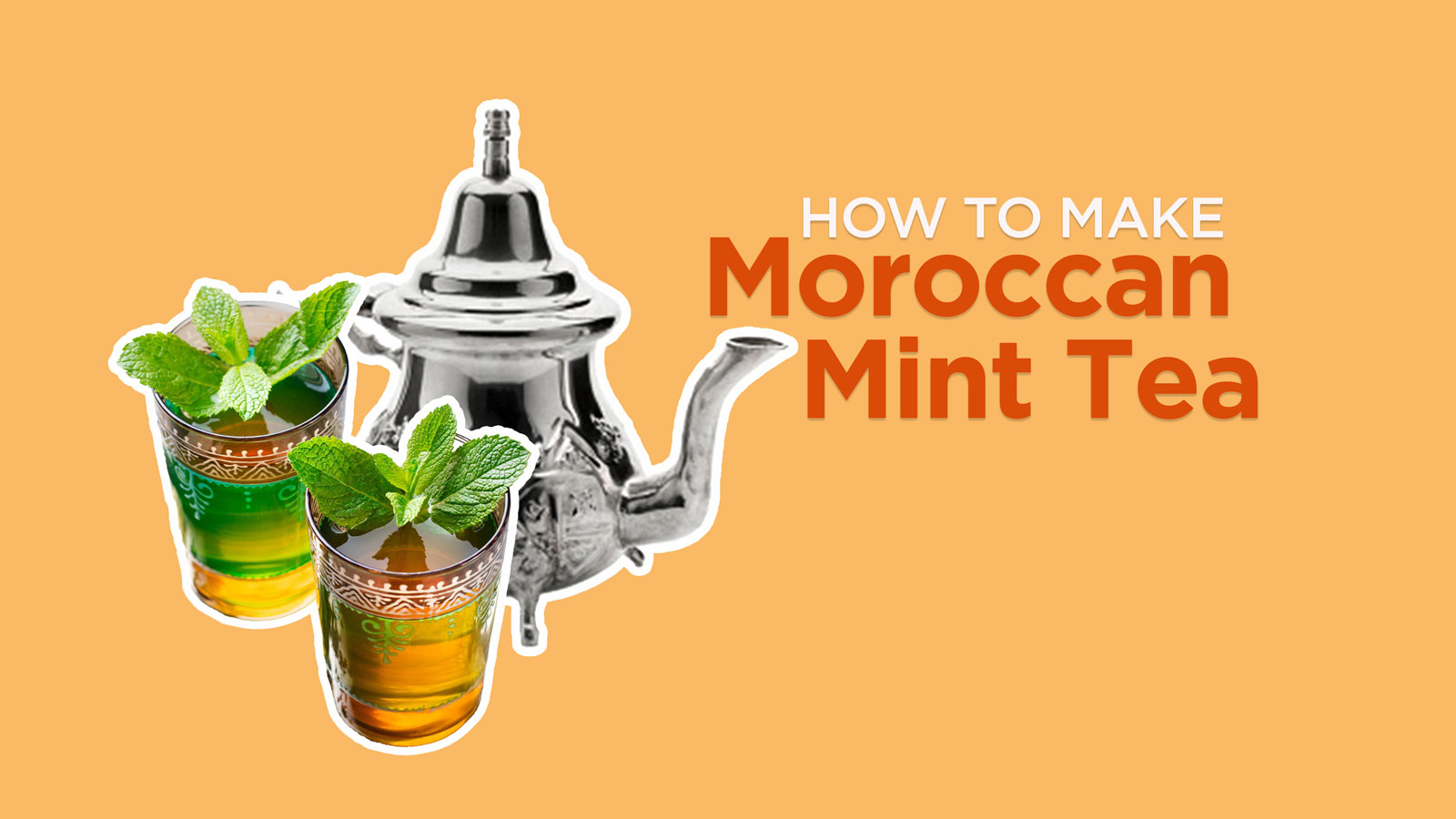
Moroccan tea is more than a drink. It is a symbol of hospitality, family, community, and connection. Whether you are welcomed into a home in the mountains, a riad in Marrakech, or a desert camp in Merzouga, the first thing you will be offered is a steaming glass of Moroccan mint tea. It is known locally as atay and it plays an important part in everyday life across Morocco.
In this article you will learn the real meaning of Moroccan tea culture, the traditions behind it, and how to make it at home the authentic Moroccan way.
The Heart of Moroccan Hospitality
Tea is the first sign of welcome in every Moroccan home. Guests are never offered water or food before a pot of tea is prepared. Serving tea shows respect, generosity, and warmth.
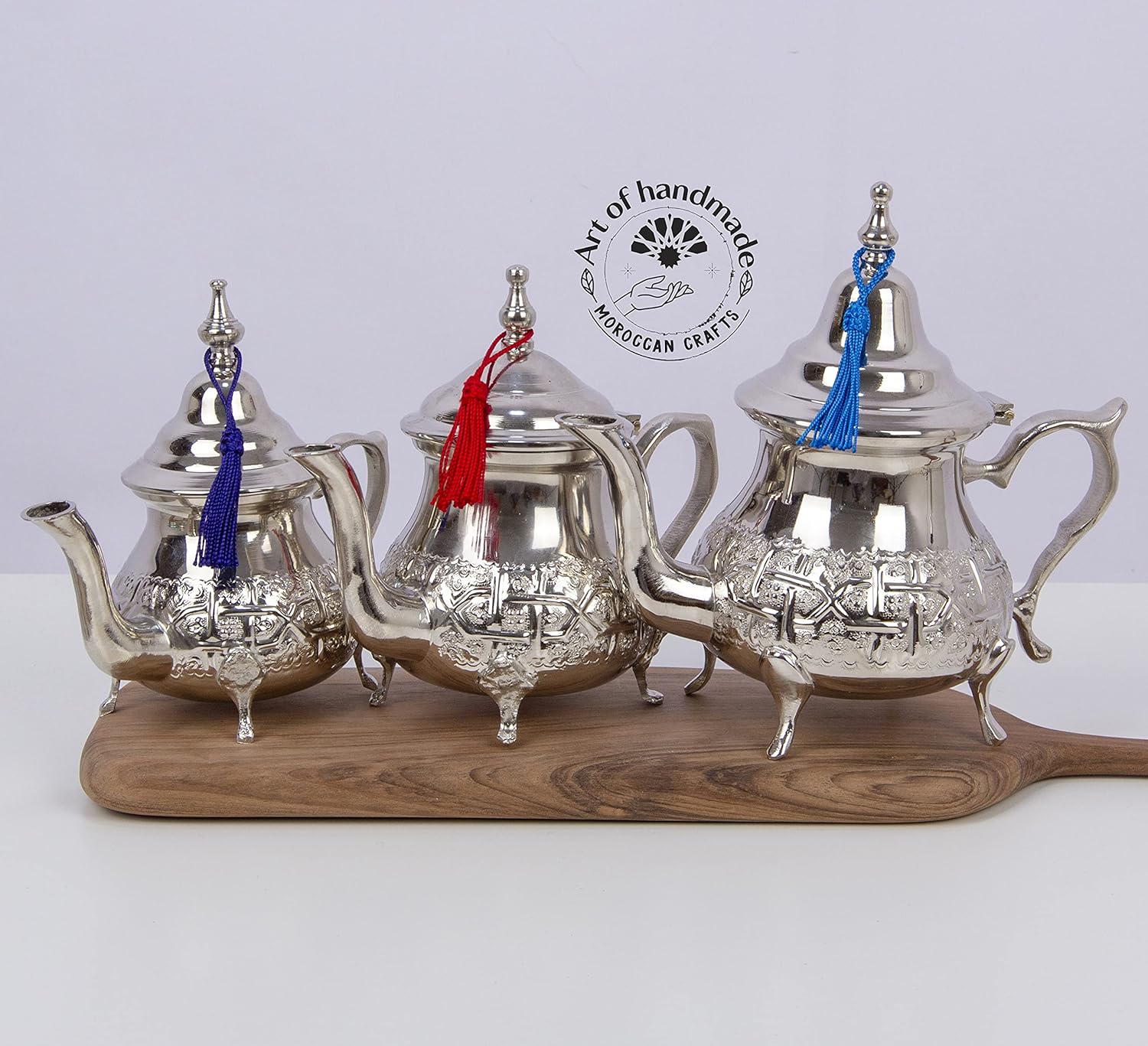
In Moroccan culture, the person who pours the tea is showing honor to the guests. It is usually done in a tall arc, which creates small bubbles on top of the glass. Those bubbles are called “turban”, and Moroccans say tea is only perfect when the foam sits nicely on the surface.
More Than Just Mint Tea
Many travelers believe Moroccan tea is always made with mint, but there are several variations depending on the season and region.
Popular types of Moroccan tea
1. Mint Tea
Fresh mint with green tea. The classic.
2. Berber Tea
A blend of mountain herbs like thyme, wormwood, and verbena. It is common in the Atlas regions and during winter.
3. Desert Tea
Stronger and sweeter. It is prepared slowly over charcoal while sharing stories under the stars.
4. Winter Tea
A mix of warming herbs like sage and wild thyme to help with cold temperatures.
The Importance of the Tea Ritual
Preparing tea is a ceremony. It is slow, intentional, and filled with meaning. Every step matters.
When you visit Morocco, you will notice:
- Tea is served three times during a typical visit.
- Glasses become sweeter with each round.
- Conversations pause when tea is being poured.
- Tea is always enjoyed together.
There is also a famous saying in the Sahara:
“The first glass is gentle like life, the second is strong like love, and the third is bitter like death.”
It is a poetic way to describe the changing taste of desert tea.
How to Make Authentic Moroccan Mint Tea
This is the recipe used in most Moroccan homes. It is simple, but the method is important.
Ingredients
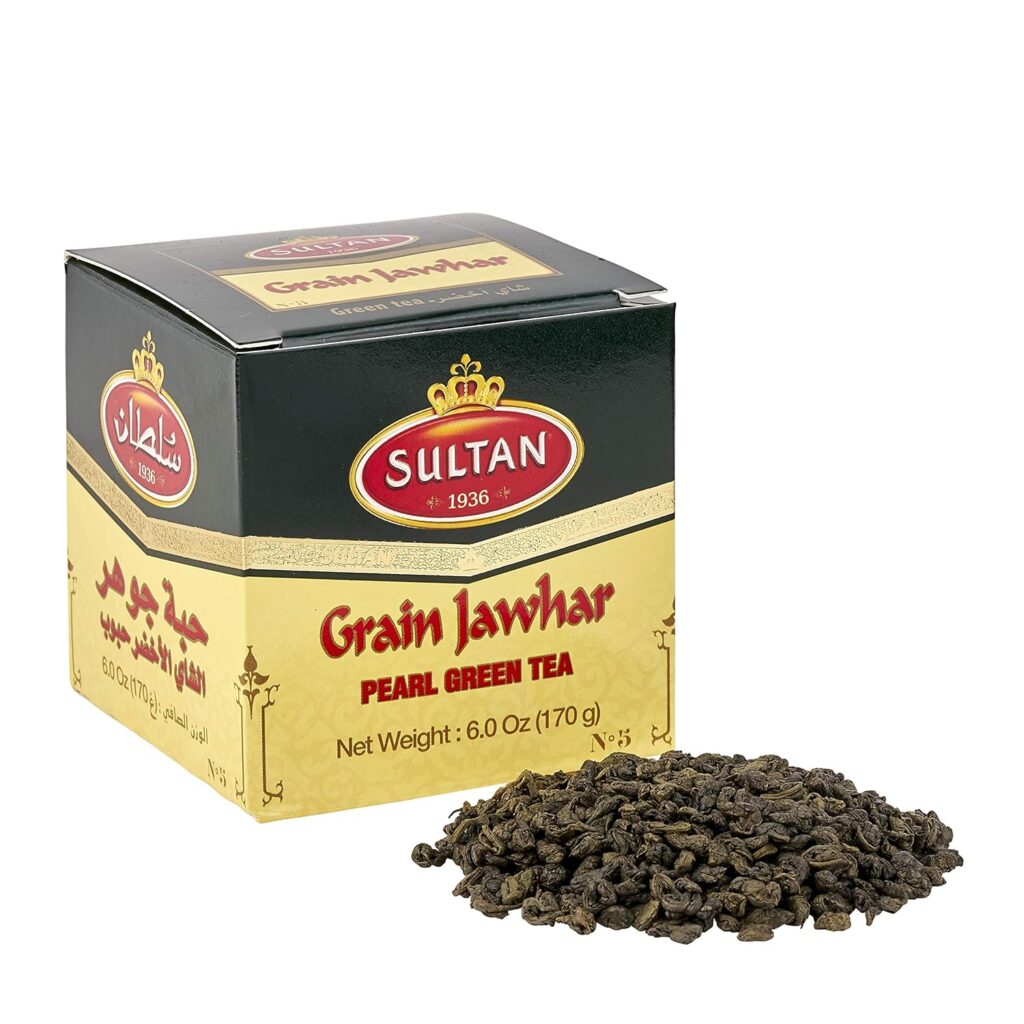
- 1 tablespoon Chinese gunpowder green tea
- 4 to 5 cups hot water
- 1 large handful of fresh mint
- 3 to 5 tablespoons sugar (adjust to taste)
- Optional herbs
- verbena
- sage
- thyme
Instructions
1. Rinse the tea
Place the green tea leaves in a teapot.
Add a small amount of boiling water. Swirl for a few seconds, then pour it out.
This step removes bitterness and cleans the tea.
2. Brew the tea
Add 4 to 5 cups of hot water to the teapot.
Place it on low heat for 2 to 3 minutes.
3. Add the sugar
Moroccan tea is traditionally sweet. Add sugar directly into the pot. You can adjust it to your liking.
4. Add the mint
Turn off the heat and place a handful of fresh mint on top.
Press it gently inside the pot with a spoon. Let it sit for 5 minutes so the mint releases its flavor.
5. Mix the tea
Pour one glass of tea, then return it to the teapot.
Repeat this two or three times. This helps mix the flavors naturally.
6. Serve
Pour the tea from a height to create the traditional foam on top.
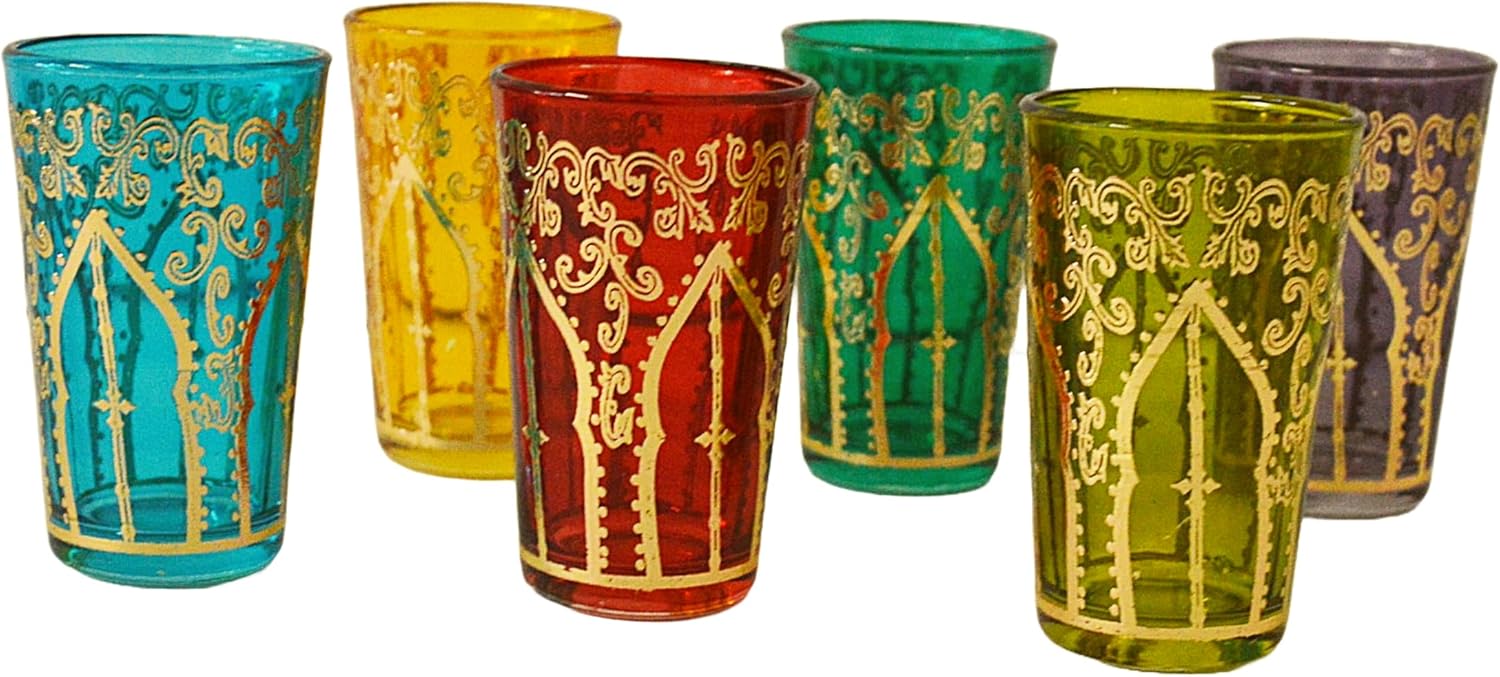
Serve in small Moroccan glasses.
Tips for Perfect Moroccan Tea
- Use plenty of fresh mint.
- Never boil mint directly. It makes it bitter.
- Adjust sugar based on taste. Some regions use more.
- If using canned mint or dried herbs, add less because they are stronger.
- For a winter version, add wild thyme or sage.
Traveling Morocco? Tea Is Part of Every Experience
Whether you are exploring Marrakech, relaxing in Chefchaouen, hiking in the Atlas Mountains, or staying overnight in the Sahara, tea will be part of your journey. It brings people together. It slows down the day. It creates connection.
At Simply Morocco, many of our tours include tea ceremonies with local families or desert nomads. It is one of the most authentic and memorable moments for travelers visiting Morocco.
