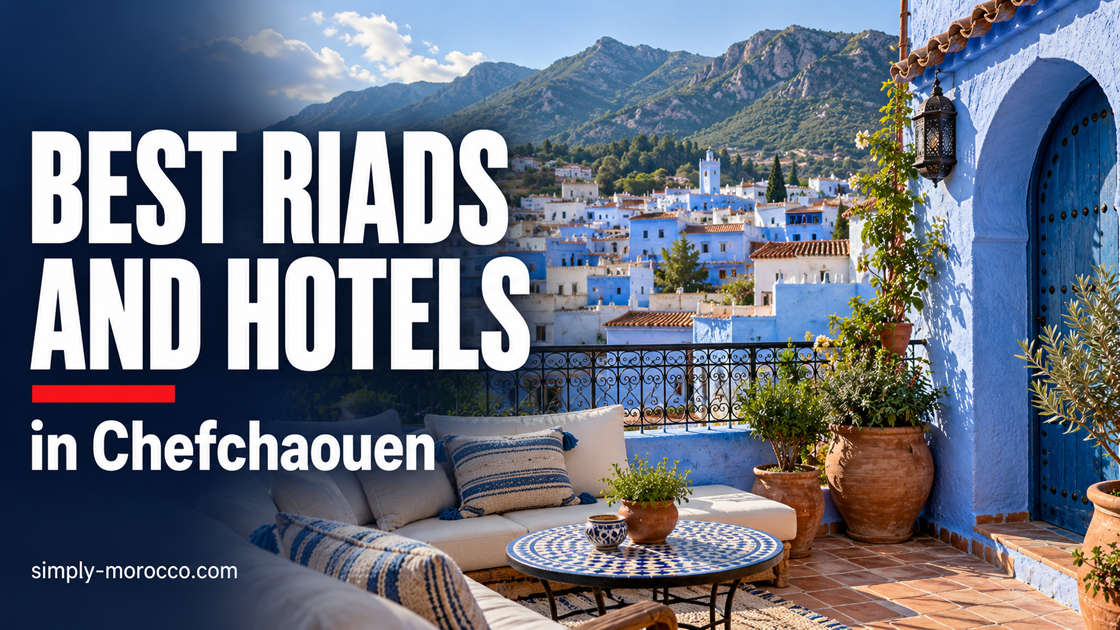
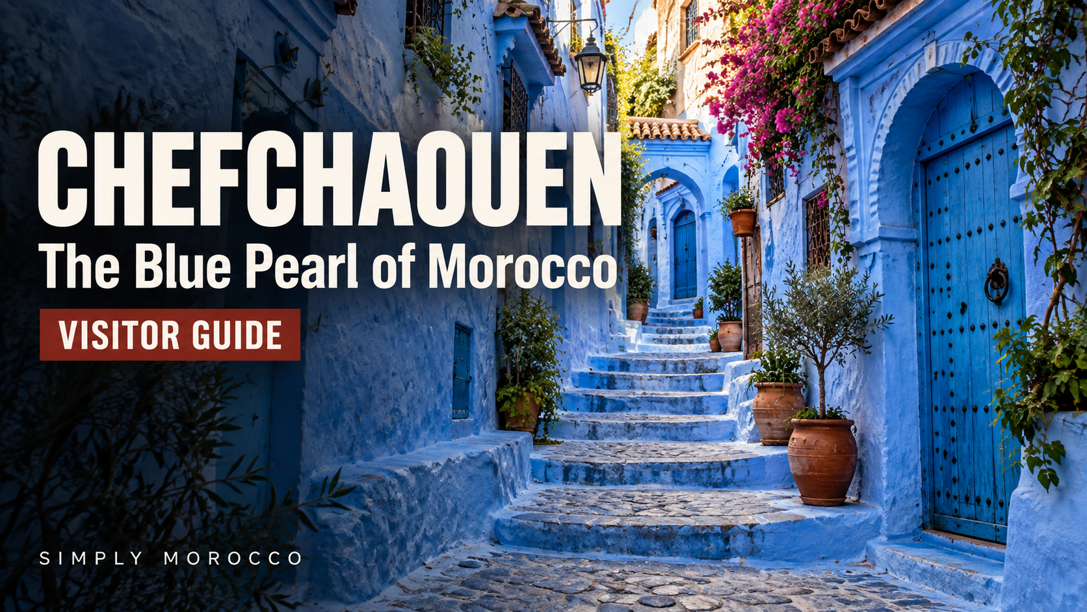
Chefchaouen sits in the Rif Mountains of northern Morocco, on a slope below two peaks that give the town its name. In the local dialect, “chaoua” means horns. Inside the old medina, almost every wall, step and doorway is painted in shades of blue. The result is one of the most photographed places in the country, and one of the best cities to visit in Morocco.
It is also one of the calmest. After the noise of Fes or Marrakech, Chaouen (as Moroccans call it) feels slow. Shopkeepers don’t chase you, cats sleep on the stairs, and the mountain air stays cool even in late spring. For many of our travelers, it ends up being the favorite stop of the trip.
This guide covers what to see, how long to stay, how to get there, and how Chefchaouen fits into a private tour of Morocco.
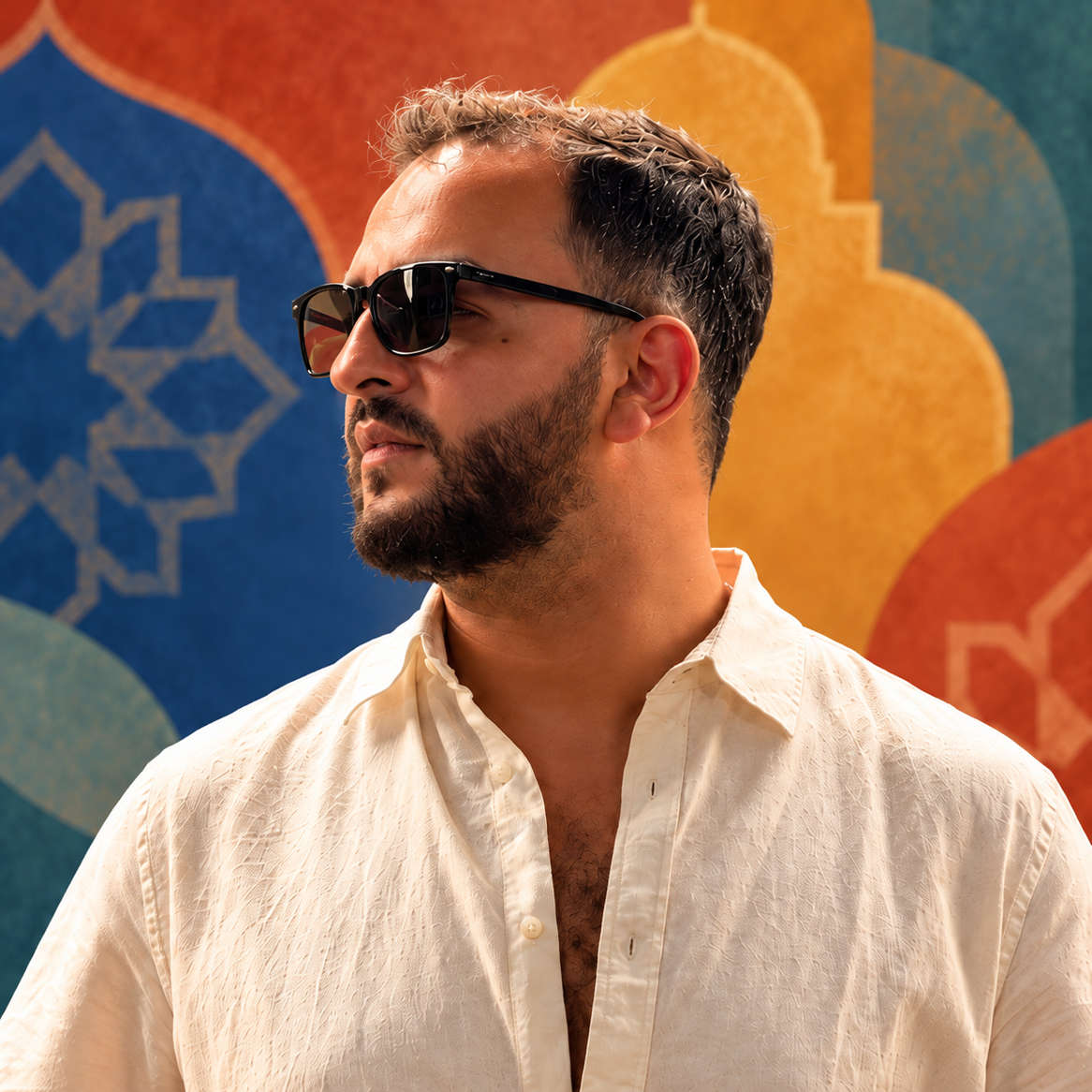
“I am spellbound by the majestic limestone peaks of the Rif mountains… As I wander the narrow alleyways in search of my riad for the night, I revel in the calm and relaxing pace of life here… I sip on a steaming cup of mint tea under the cooling shade of patio umbrellas.”
Vivian Chung, traveler. Follow her on Instagram.
A Short History of Chefchaouen
Chefchaouen was founded in 1471 by Moulay Ali Ben Rachid as a small fortress. It was built to resist the Portuguese, who held towns along the northern coast at the time. Over the following decades it grew with Muslim and Jewish families who left Andalusia in Spain. Their influence still shows in the whitewashed houses, tiled roofs and narrow lanes.
For centuries the town stayed closed to outsiders, and very few Europeans entered it before the 20th century. In 1920 Spanish troops arrived, and Chefchaouen became part of the Spanish protectorate in northern Morocco until independence in 1956. That’s why you will still hear Spanish spoken by many locals today.
Why Is Chefchaouen Blue?
Nobody fully agrees. One popular story says that Jewish families who settled here in the 1930s painted their homes blue as a symbol of the sky and heaven. Others say the color keeps mosquitoes away or keeps houses cool in summer. Today the reason is simpler: residents repaint the walls regularly because the blue is what the town is known for, and visitors come for it.
Things to Do in Chefchaouen
Walk the Blue Medina
The medina is small enough to explore on foot in a few hours, and getting a little lost is part of the experience. Each lane looks different: some are pale sky blue, others a deep indigo, with potted plants lining the steps. The best light for photos is in the early morning, before day visitors arrive.
Please ask before photographing residents or their doorways. Many homes are private, and some locals don’t want to be photographed.

Plaza Uta El Hammam and the Kasbah
This shaded square is the heart of the old town, lined with cafés and small restaurants. On one side stands the Kasbah, the red-walled fortress at the origin of the town. Inside are a garden, a small ethnographic museum, and towers you can climb for a view over the rooftops. Next to it is the Grand Mosque, with its octagonal minaret. As in most of Morocco, the mosque is open to Muslims only.
Ras El Ma Spring
At the eastern edge of the medina, water runs down from the mountain at Ras El Ma. You may still see local women washing clothes and blankets here. It is a pleasant spot to rest, and it marks the start of the path up to the Spanish Mosque.
Spanish Mosque Viewpoint
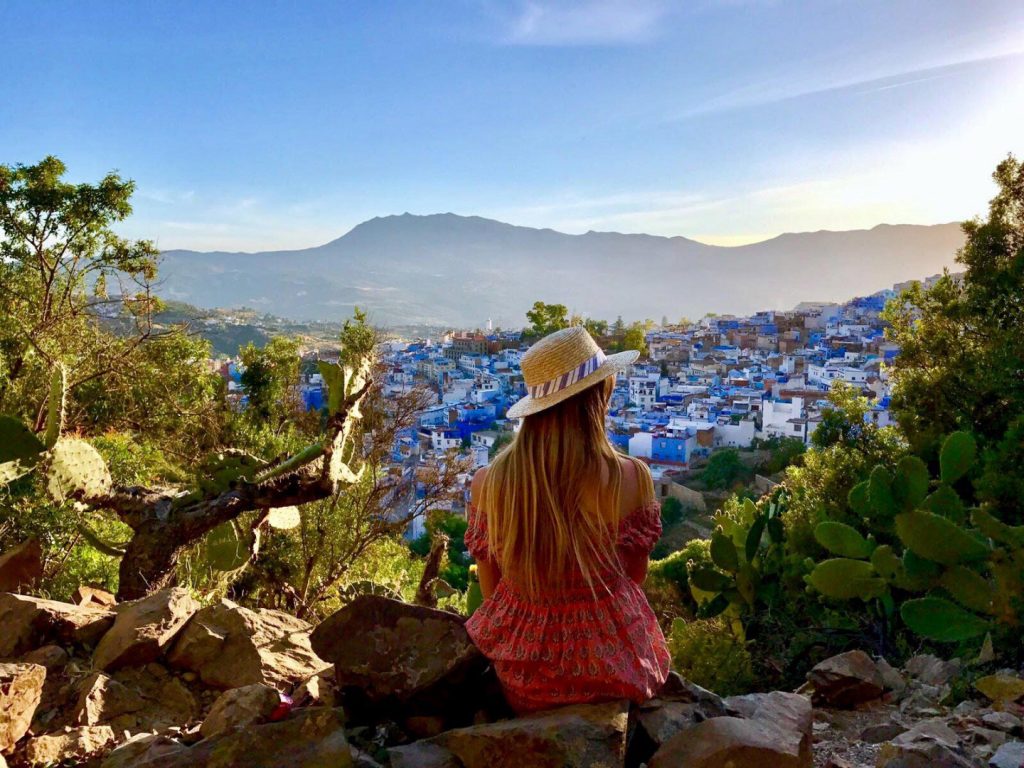
This white mosque on the hill east of town was built by the Spanish in the 1920s and never used for prayer. The walk up takes about 30 to 45 minutes on a dirt path. From the top you get the classic view of the whole blue town against the mountains. Go about an hour before sunset, and bring water and comfortable shoes.
Shopping in the Souk
Chefchaouen is a relaxed place to shop. Look for woven wool blankets and rugs, leather goods, handmade soap, and local goat cheese from the surrounding mountains. Prices are lower than in Marrakech, and the pressure to buy is much lighter.

Evenings in the Medina
Once the day visitors leave, the town gets quiet. Have dinner on a rooftop terrace overlooking the square, or sit with a mint tea in the plaza. Local dishes to try include tagine with goat cheese, bissara (a fava bean soup), and fresh mountain bread. For more on what to eat, see our guide to Moroccan food.
Day Trip to the Akchour Waterfalls
If you have a full day, the Akchour Waterfalls in Talassemtane National Park are under an hour’s drive from Chefchaouen. Trails follow a river through a green valley, with pools and waterfalls along the way. Some walks are short and easy, and others take most of the day. It is a good option for travelers who enjoy nature and a bit of hiking. Bring shoes you don’t mind getting wet.
How to Get to Chefchaouen and Get Around
There is no airport or train station in Chefchaouen, so you arrive by road. On our private tours, your driver takes you there directly, usually between Casablanca or Tangier and Fes.
| From | Distance | Driving time |
|---|---|---|
| Tangier | ~115 km | 2 to 2.5 hrs |
| Fes | ~200 km | 3.5 to 4 hrs |
| Rabat | ~250 km | 4 to 5 hrs |
| Casablanca | ~336 km | 5 to 6 hrs |
| Marrakech | ~575 km | 8 to 9 hrs |
Driving times are approximate and don’t include stops. Mountain roads and traffic can add time.
On the way from Chefchaouen to Fes, we stop at the Roman ruins of Volubilis (about 2 hours from Chefchaouen) and at the imperial city of Meknes. See how this fits into a 7, 10 or 14 day itinerary. For more options, read how to get to Chefchaouen from major cities and our full table of distances between Moroccan cities.

Getting Around Chefchaouen
- On foot. The medina is small and the only way to see it properly is on foot. The lanes climb uphill, so wear comfortable shoes and take your time.
- Parking. Drivers park outside the medina, for example at Place el Makhzen, and you walk in from there.
- By petit taxi. Small blue taxis are mainly useful for the bus station, about 1.5 km southwest of town. The walk from there up to the medina takes 20 to 30 minutes.
- Less walking. If stairs and hills are a concern, see the tips in our section on visiting Chefchaouen with less walking below.
How Many Days in Chefchaouen?
One night is enough to see the medina, the Kasbah and the sunset from the Spanish Mosque. Two nights give you time to slow down, shop without rushing, or add the Akchour Waterfalls.
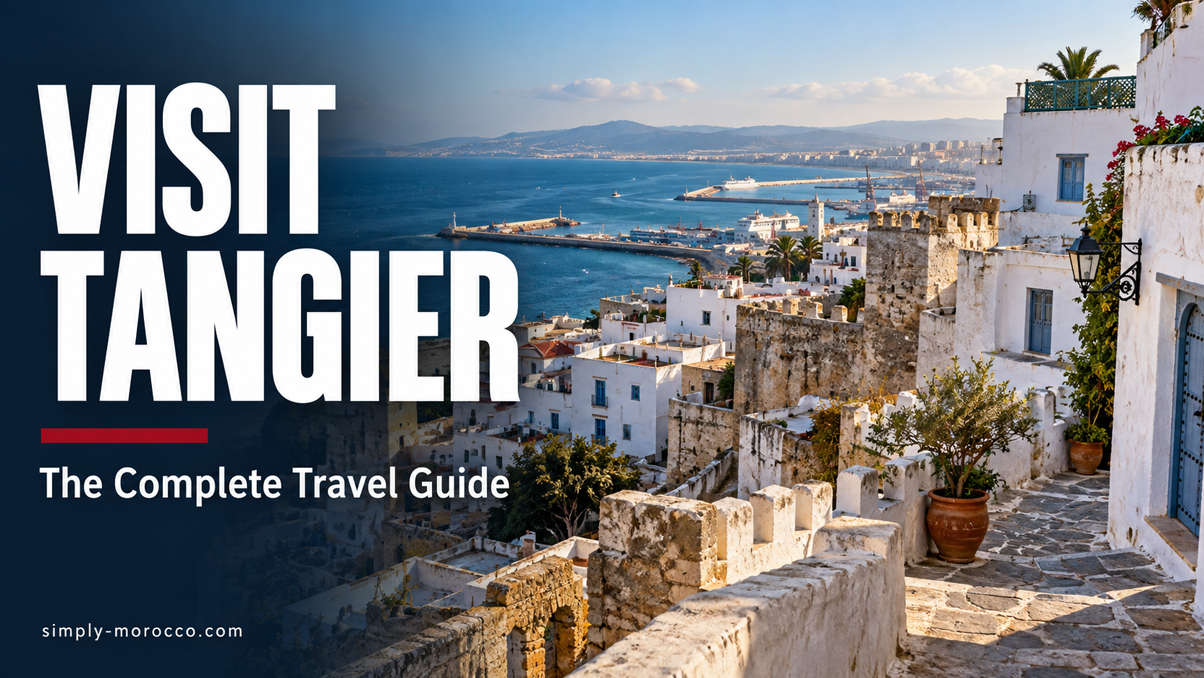
Chefchaouen sits far north of Marrakech and the Sahara. It fits best on a route that starts or ends in Casablanca or Tangier and continues to Fes. Our 14-day Morocco tour includes it this way. To see how Chefchaouen fits into different trip lengths, visit our Morocco itinerary planner. Coming from the north? See our Tangier travel guide and the best hotels and riads in Tangier.
Best Time to Visit Chefchaouen
Spring (March to May) and fall (September to November) are the most comfortable seasons, with mild days and green hills. Summer is warm and busy, especially with Moroccan and Spanish visitors in July and August. Winter in the Rif is cold and rainy, and riads can feel chilly at night, though the town is very quiet then. See our guide to the best time to visit Morocco for month-by-month details.
Where to Stay in Chefchaouen
Most visitors stay in a riad or a small guesthouse inside or close to the medina. That way you can walk out in the early morning before the crowds. On our tours, we use hand-picked properties such as Dar Echchaouen for our Affordable Lux tier and Lina Ryad & Spa for Deluxe, or similar. Learn more about what to expect in a Moroccan riad. For our full list, see the 12 best riads in Chefchaouen, ranked by guest reviews.
Visiting Chefchaouen with Less Walking
Chefchaouen is built on a mountainside, so visiting means stairs and sloped lanes. If you have limited mobility, your guide can plan a shorter walk that stays on the lower, flatter parts of the medina and around the main square. The Spanish Mosque viewpoint can be skipped. If walking is a real concern, we can also leave Chefchaouen out of your route and adjust the itinerary.
Chefchaouen FAQ
Yes. It is one of the most distinctive towns in Morocco, with a blue-painted medina, a calm atmosphere and mountain scenery. It works especially well between Casablanca or Tangier and Fes.
One night is enough for the main sights. Two nights let you slow down or add a day trip to the Akchour Waterfalls.
There’s no single agreed answer. A popular story links it to Jewish families who settled here in the 1930s. Other explanations include keeping mosquitoes away and keeping houses cool.
About 200 km, or 3.5 to 4 hours by car without stops. On our tours, we stop at Volubilis and Meknes on the way.
The town is built on a slope, with many stairs. Your guide can plan a shorter, flatter route, and the uphill walk to the Spanish Mosque is optional.
On foot. The medina is small and hilly, cars park outside it, and blue petit taxis are mainly used to reach the bus station.
Plan Your Visit to Chefchaouen
Chefchaouen is easy to add to a private tour of Morocco with your own driver and guide, and we handle the transport, accommodations and timing for you. Browse our private tours, see what a trip costs in our Morocco trip cost guide, or fill in the form below and tell us your travel dates. We’ll build a route that includes the Blue Pearl.
For more photos and travel ideas, follow us on Instagram and Facebook.