
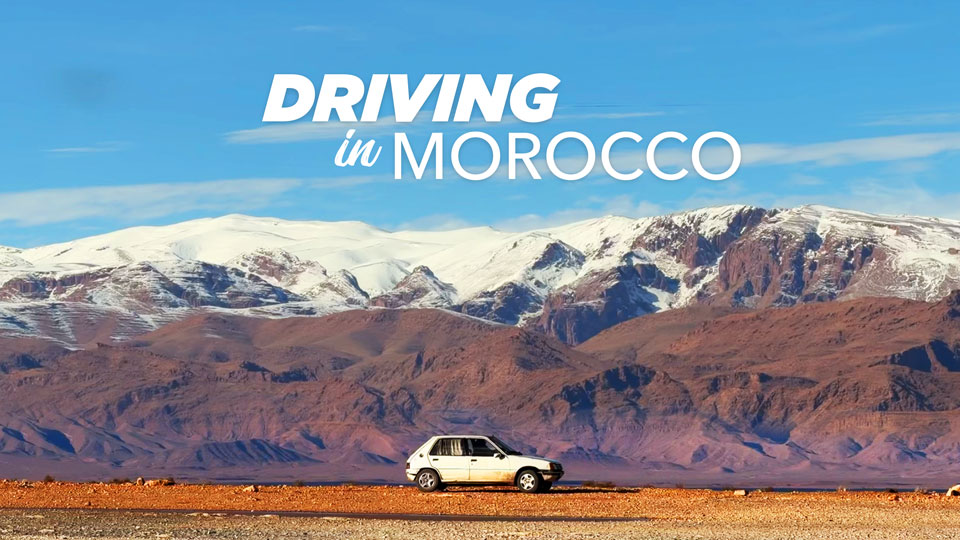
Renting a car in Morocco can be one of the best ways to explore the country. It gives you freedom, flexibility, and access to places that are difficult to reach by public transportation. From coastal roads to mountain passes and desert highways, driving in Morocco can be an incredible experience if you understand the rules and local driving culture.
This guide focuses on renting a car and driving safely and confidently across Morocco.
Renting a Car in Morocco
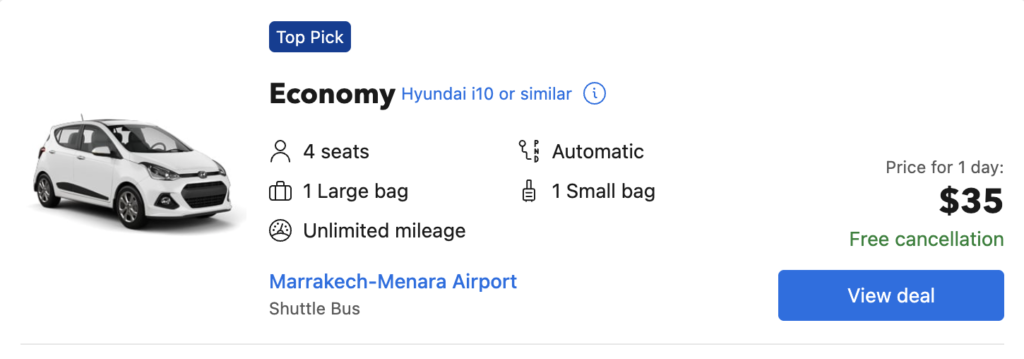
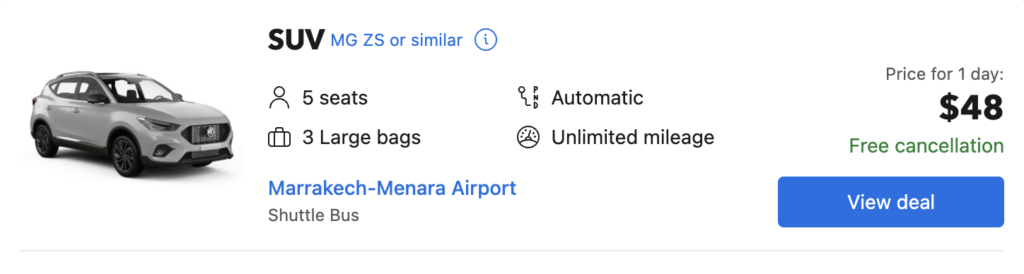
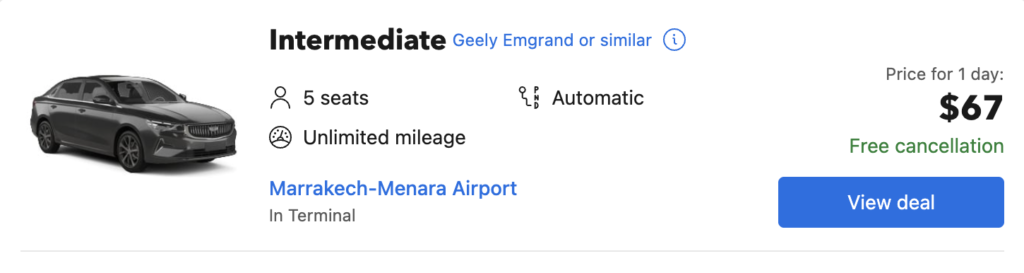
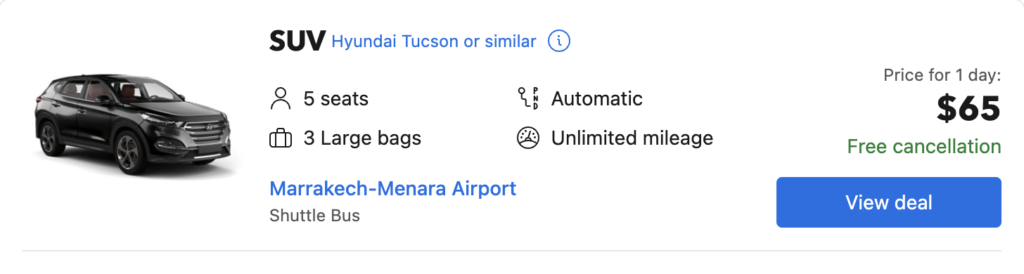
Car rental is widely available in major cities like Casablanca, Marrakech, Fes, and Agadir, as well as at airports. Both international brands and local agencies operate throughout the country.
What you need:
- A valid driver’s license (most foreign licenses are accepted for short stays)
- Passport
- Credit card for the deposit
- Minimum age is usually 21, sometimes 23 or 25 depending on the agency
Tips before booking:
- Choose full insurance coverage, especially for rural or long-distance travel
- Inspect the car carefully and take photos before leaving
- Manual cars are more common and cheaper than automatics
- Ask about fuel policy and toll payment options
Driving Culture and General Rules
Driving in Morocco follows standard right-hand traffic rules, but the style can feel very different from Europe or North America.
- Expect assertive driving in cities
- Lane discipline is flexible, especially in urban areas
- Use your horn as a warning, not as aggression
- Always drive defensively and stay alert
Seat belts are mandatory, and using a phone while driving is prohibited unless hands-free.
Police Checkpoints and Controls
Police checkpoints are very common in Morocco, especially:
- At entrances and exits of cities
- On major roads between regions
- Near tourist areas
This is completely normal and part of road safety enforcement.
What to expect:
- Officers may check your driver’s license and rental papers
- Sometimes they simply wave you through
- Be calm, polite, and respectful
- Never argue roadside. If there is an issue, stay cooperative
Having your documents easily accessible makes the process quick and smooth.
Speed Limits and Enforcement
Speed limits are taken seriously and are strictly enforced, often with radar.
General speed limits:
- Cities: 40–60 km/h
- Rural roads: 60–100 km/h
- Highways: 120 km/h
Speed can change suddenly near towns or checkpoints, so always watch road signs. Fines are usually issued on the spot, and you will be given a receipt.
Highways and Toll Roads
Morocco’s highway network is modern, well-maintained, and connects major cities efficiently.
Toll roads:
- Payment is required at toll booths
- Cash is accepted, but having small bills helps
- The prepaid highway fast pass in Morocco is called Jawaz.
- Some rental cars offer a prepaid highway pass
Why the prepaid pass is worth it:
- No waiting in toll booth lines
- Faster entry and exit at toll stations
- Smoother long-distance travel, especially during busy periods
If your rental company offers it, it is highly recommended.
Driving on Rural Roads
Rural and scenic roads are where Morocco really shines, but they require extra attention.
Things to watch for:
- Livestock crossing the road, especially sheep and goats
- Pedestrians and bicycles with limited visibility at night
- Uneven pavement or potholes in remote areas
- Limited lighting after sunset
Avoid driving at night in rural regions when possible, especially in the mountains or desert routes.
Mountain and Desert Driving
If you plan to drive through the Atlas Mountains or toward the Sahara:
- Check weather conditions, especially in winter
- Drive slowly on winding mountain roads
- Use lower gears on steep descents
- Make sure your fuel tank is not low before long stretches
A standard car is fine for most routes, but some desert or off-road areas may require a 4×4.
Fuel and Rest Stops
Fuel stations are common on highways and main roads, but can be sparse in remote regions.
- Fill up before long drives
- Keep some cash for small stations
- Rest stops on highways usually have cafes, bathrooms, and prayer rooms
Is Renting a Car in Morocco Worth It?
Yes, if you are comfortable driving and want independence. Renting a car allows you to:
- Explore at your own pace
- Reach remote villages and landscapes
- Avoid fixed schedules and crowded transport
For travelers who want a reliable and stress-free car rental experience, Simply Morocco works with a trusted local car rental partner. To reserve a car or check availability, contact our partner directly via WhatsApp: 📱+212606953301
Final Tips for a Smooth Experience
- Respect speed limits and road signs
- Expect police checkpoints and stay calm
- Use a prepaid highway pass if available
- Avoid night driving in rural areas
- Drive defensively and patiently
With preparation and awareness, driving in Morocco can be not only manageable, but unforgettable.
Ready to Plan Your Morocco Road Trip?
If you are planning to rent a car and drive through Morocco but want help designing the perfect route, fill out the form below for a custom itinerary. Our team at Simply Morocco will create a personalized travel plan based on your travel dates, pace, and interests, whether you want scenic drives, cultural stops, or a mix of adventure and comfort. Once we receive your details, we will get back to you with recommendations tailored specifically to your trip across Morocco.
