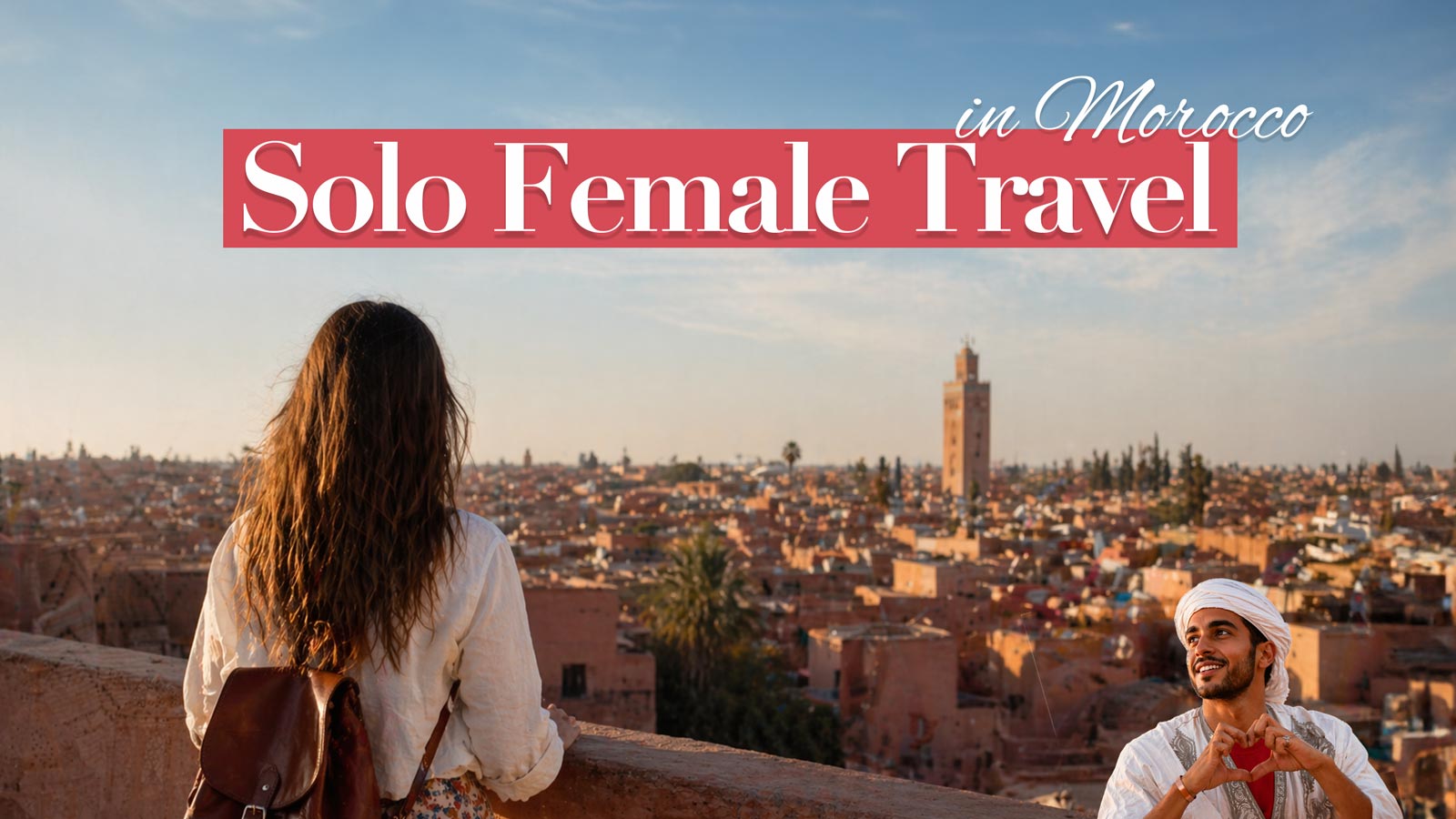
Morocco is one of the most searched travel destinations in the world right now, and for good reason. The colors, the medinas, the Sahara at sunrise, the food: there is genuinely nothing like it. If you are a woman planning to go alone, you have probably also spent time on a completely different kind of search: “Is Morocco safe for solo female travelers?”
The honest answer is yes, with things you need to know first. This article does not sugarcoat the friction, and it does not exaggerate the danger. It tells you what to realistically expect, destination by destination, and then walks through why most of the friction solo women encounter in Morocco disappears with a private guide.
What Morocco Is Really Like for Solo Women
The first thing worth separating is the difference between physical danger and discomfort. Morocco is not a country where violent crime against tourists is a serious risk. The Moroccan government invests heavily in tourism security, and the Brigade Touristique (dedicated tourist police) operates in every major city. What you are far more likely to encounter is persistent verbal attention, aggressive touts in medinas, and occasional misdirection designed to lead you into a commission shop.
That distinction matters, because many women come home saying they did not feel unsafe, but they did feel exhausted. Managing the medina, deflecting touts, navigating without getting turned around, and trying to soak in a 1,000-year-old city while staying alert: it is a lot to hold at once. And when you are managing all of that alone, you sometimes miss Morocco itself.
Here is what the experience actually looks like across the cities, coasts, and regions most visitors plan to see.
Marrakech: Magnificent and Demanding
Marrakech is where most Morocco trips begin, and it is simultaneously the most rewarding and the most demanding city for a first-time solo female traveler.
The medina is extraordinary: Jemaa el-Fna square at dusk, the lantern-lit souks, the tile work on every corner. It is also one of the busiest, most chaotic urban environments you will step into, anywhere. Touts are present and persistent, particularly in the souk alleys and near major tourist sites. The most common script is some version of “that shop is closed” or “you are going the wrong way,” both designed to redirect you toward a vendor who will pay a commission. Making eye contact in the medina can be read as an opening.
None of this is dangerous. It is tiring, and it takes real energy to maintain confident, neutral forward motion when you are also trying to notice whether that tile work is Saadian or Alaouite. Post-2023, there has been increased tourist police presence around Jemaa el-Fna, and the situation has improved in busy tourist zones. The experience still varies significantly depending on time of day, which alleys you take, and whether you have someone who knows the medina walking with you.
Women who travel Marrakech with a guide consistently report a dramatically different medina experience: the touts back off, the hidden passages open up, and the souks become a pleasure instead of a gauntlet.
Fes: Worth Every Bit of Effort (With the Right Support)
Fes is Morocco’s spiritual and intellectual capital, home to Al-Qarawiyyin, one of the oldest continuously operating universities in the world, and a UNESCO-listed medina of more than 9,000 lanes that even locals admit is bewildering. The tanneries, the brass workshops, the Bou Inania madrasa: Fes contains some of the most extraordinary sights in the entire country.
It is also the city where solo female travelers most often describe feeling on edge. The medina is denser and darker in sections than Marrakech’s, and the fake guide culture is equally present. GPS apps struggle inside the medina because the alleys predate any mapping logic a satellite can follow. Getting disoriented is not a matter of if, it is a matter of when.
Women who navigate Fes alone frequently describe the experience as draining: more time lost, more approaches to deflect, more mental energy spent on basic navigation. Women who visit Fes with a licensed local guide describe it as one of the most extraordinary days of their lives. That gap is the largest of any city in Morocco.

Rabat: Morocco’s Most Underrated City for Solo Women
Rabat consistently surprises first-time visitors. As the administrative capital of Morocco, it carries itself differently from the imperial medina cities: organized, well-maintained, with a strong and visible presence of police and government officials throughout the city center. Solo female travelers returning from Rabat describe it as the city where they finally stopped calculating their next move.
The harassment that characterizes parts of Marrakech and Fes is largely absent here. Women report wandering the medina and the Kasbah of the Udayas freely, sitting at cafes without being approached, and navigating the city without the running commentary of touts. The Kasbah itself, perched above the mouth of the Bou Regreg river, is one of the most atmospheric spots in the country, and the neighboring Andalusian Garden is the kind of quiet that feels earned after the imperial cities.
Rabat also has the Hassan Tower, the unfinished minaret of a 12th-century mosque that stands as one of Morocco’s most striking monuments, and the Mausoleum of Mohammed V directly across from it. These are among the finest historical sites in the country, and in Rabat they are experienced without the crowd pressure and tout dynamics of comparable sites in Marrakech or Fes.
For women who want to begin their Morocco trip gently, Rabat is genuinely one of the best entry points in the country.
Chefchaouen: The Easiest City in Morocco for Solo Women
If Fes and Marrakech are where you build your nerve, Chefchaouen is where you exhale.
Tucked into the Rif Mountains, the Blue City is consistently described as the most relaxed, welcoming, and stress-free destination in Morocco for women traveling alone. The streets are compact and walkable, the pace is slow, and the atmosphere is genuinely calm. Serious crime is virtually unheard of. Street harassment is significantly lighter than in Marrakech or Fes. You can wander the blue-washed lanes, stop at a cafe, and sit for an hour without being approached.
Chefchaouen also happens to be visually spectacular in a way that rewards slow, unrushed exploration. It is a city where solo travel feels like the right way to experience it, once you have already handled the harder parts of the itinerary.
Tangier: A Gateway Worth More Than a Quick Stop
Tangier sits at the northern tip of Morocco, just across the Strait of Gibraltar from Spain, and for many travelers it is the first city they see. That first impression can be mixed. Tangier has a reputation for being intense, and arriving by ferry into an unfamiliar port city without knowing the layout is a recipe for the kind of disoriented vulnerability that touts specifically look for.
That said, Tangier itself is a genuinely interesting city. Its position between Europe and Africa has produced a layered, cosmopolitan character unlike anywhere else in Morocco. The old medina, the Kasbah, the sweeping views of the strait: there is real depth here for travelers willing to engage with it rather than rush through.
The key with Tangier is arrival and orientation. Women who stumble into the port unprepared often describe it as the most stressful part of their trip. Women who arrive knowing exactly where they are going, or who are met by a guide, typically find the city rewarding. The difference comes down entirely to how the first hour is handled.
Casablanca: Morocco’s Modern Capital
Casablanca is not the Morocco of postcards. It is a working commercial city of several million people, more cosmopolitan in character than Marrakech or Chefchaouen. Most visitors pass through it quickly, but that is partly because they do not know what to look for.
The city is generally more manageable for solo female travelers than the northern medinas, with less of the aggressive tout culture that makes Fes and Marrakech demanding. The Hassan II Mosque, one of the most architecturally significant buildings in the entire country and among the largest in the world, stands on a promontory above the Atlantic and is open to non-Muslim visitors on guided tours. The Art Deco neighborhoods of the old downtown and the waterfront Corniche round out a city that rewards a proper half-day rather than a rushed connection.
The challenge here is logistics rather than safety. Casablanca is large and spread out, and navigating between attractions requires either local knowledge or careful planning. A guide who knows the city turns what can otherwise feel like an urban transit stop into a genuinely memorable few hours.
Agadir: Beach Morocco, On Its Own Terms
Agadir operates differently from every other city on this list. It was largely rebuilt after a 1960 earthquake, which means it lacks the historic medina that defines most Moroccan cities. What it has instead is a long Atlantic beach, a resort-oriented infrastructure, and a noticeably more relaxed social environment than the imperial cities.
For solo women, Agadir is one of the easier Moroccan cities to navigate independently. The tourist zone is well-organized and active well into the evening. Street harassment exists but is considerably less intensive than in Marrakech or Fes.
Agadir makes sense as either a starting or ending point for a longer itinerary, or as a base for reaching the surrounding Souss-Massa region and the historic city of Taroudant nearby. Travelers who treat it purely as a beach resort sometimes leave a little underwhelmed; travelers who use it as a regional gateway often find it one of the most pleasant bases in the country.
Morocco’s Beaches: A Whole Other Side of the Country
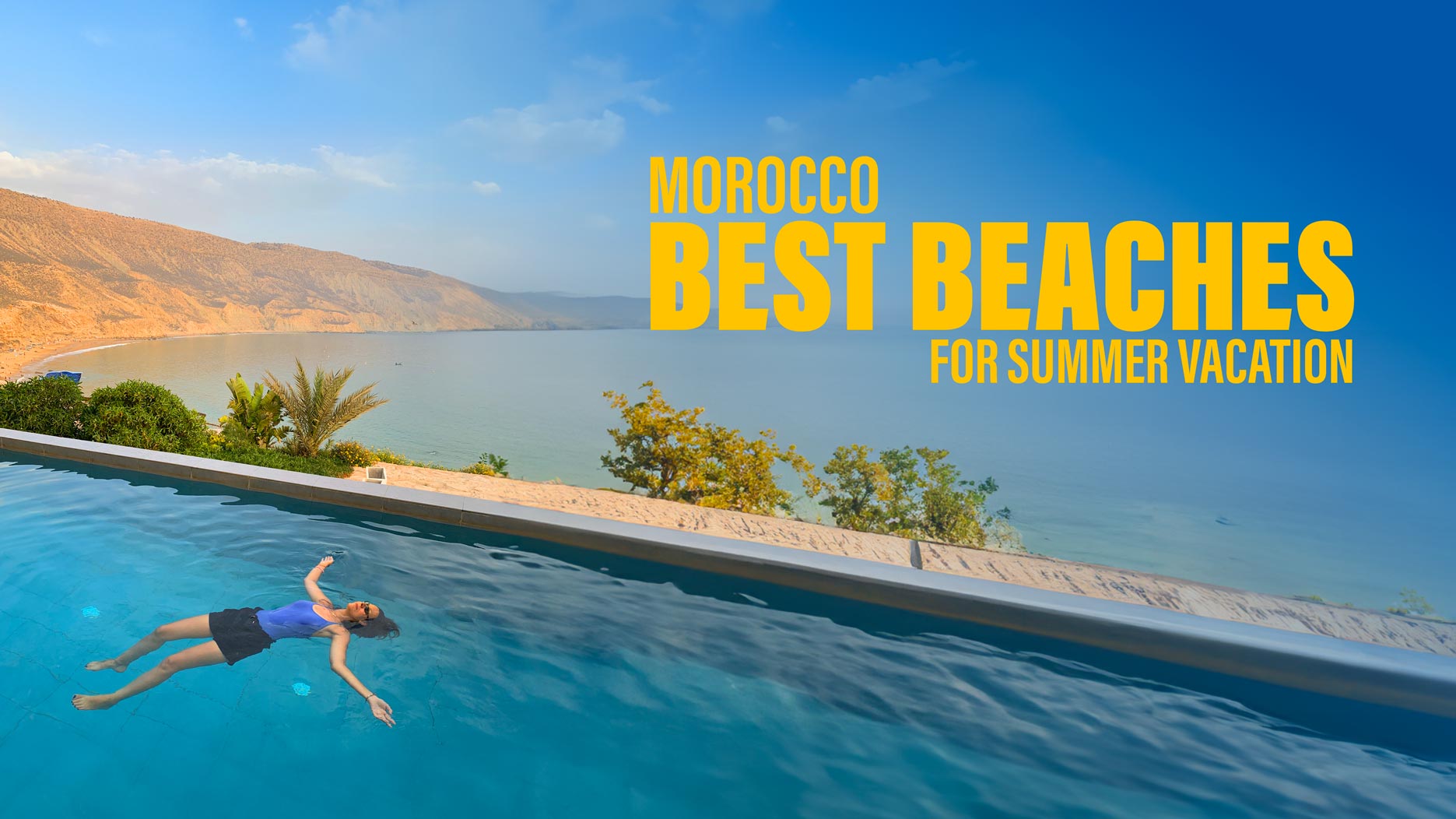
Morocco has over 1,200 miles of Atlantic and Mediterranean coastline, and the beach experience is genuinely one of the most underappreciated parts of traveling here.
The Atlantic coast is defined by strong swells and consistent wind, which makes towns like Taghazout (just north of Agadir) one of the premier surf destinations in Africa. For solo women, Taghazout has an international, relaxed surf-town atmosphere where the pace is slow and the social dynamic is far more open than the medina cities. Beginners and experienced surfers alike find it easy to settle into.
Further north, the beach at Legzira, with its dramatic red rock arches over the sand, is one of the most photogenic coastal spots in the country. The beaches around Asilah, a whitewashed Atlantic town with a strong arts culture and beautifully preserved medina walls, offer a combination of culture and coast that few places in Morocco match. Asilah is also notably calm for solo women, with a community that has cultivated an international, artistic identity over decades.
The Mediterranean coast, particularly around Al Hoceima and the beaches east of Tetouan, is less visited but strikingly beautiful. The water is calmer and clearer than the Atlantic, and the crowds considerably thinner.
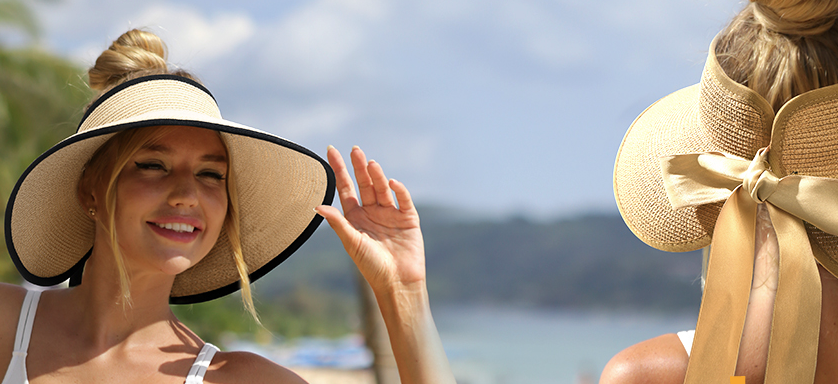
One practical note for the beach: swimwear is entirely appropriate at resort beaches in Agadir and tourist-facing coastal towns. In smaller, non-resort beaches and fishing villages, a cover-up between the water and the town shows basic cultural awareness and significantly reduces unwanted attention.
Historic Sites and Religious Places: Approaching Them Right
Morocco’s historic and religious heritage is one of the primary reasons people visit, and it is extraordinary by any measure. A few things are worth knowing before you go.
The imperial mosques and medersas are among the most breathtaking architectural achievements in the Islamic world. The Bou Inania Medersa in Fes, the Ben Youssef Medersa in Marrakech, the Hassan Tower and Mausoleum in Rabat: these are places of immense historical and spiritual significance. Most are open to non-Muslim visitors, but active mosques generally are not. The Hassan II Mosque in Casablanca is one of the few major mosques in Morocco that conducts regular guided tours for visitors of all backgrounds, and it is worth making time for.
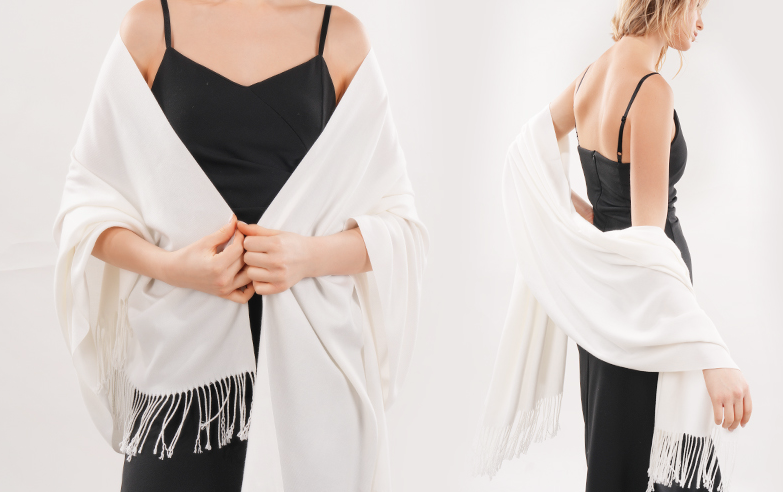
What to wear. Modest dress at historic and religious sites is not a suggestion, it is a genuine sign of respect that also, practically speaking, reduces unwanted attention in and around these areas. Shoulders and knees covered, loose-fitting clothing, and a scarf that can be used to cover hair if entering a sacred space: this is the standard. Most sites will not let you enter otherwise.
The medinas themselves are living heritage. The UNESCO-listed medinas of Fes, Marrakech, and the Kasbah of the Udayas in Rabat are not museum pieces: people live, work, and worship in them. Moving through them with awareness of this, not just as a photo opportunity but as a functioning community, changes how the experience feels and how locals respond to you.
Kasbahs and ksour of the south tell a completely different chapter of Moroccan history. Ait Benhaddou, the Kasbah Taourirt in Ouarzazate, and the earthen towers of the Draa Valley are pre-Saharan fortified architecture that dates back centuries. They are among the most visually dramatic sites in the country and, notably, among the most relaxed to visit: no medina crowds, no touts on every corner, just extraordinary structures in extraordinary landscape.
Ancient Roman ruins. Volubilis, just outside Meknes, is one of the best-preserved Roman sites in North Africa. A UNESCO World Heritage Site, it contains intact mosaics, triumphal arches, and forum ruins that most visitors to Morocco never see because it requires a detour from the main tourist circuit. The detour is worth it. A knowledgeable guide brings the site to life in a way a self-guided visit cannot: the history of Rome’s southernmost African frontier is not obvious from the stones alone.
The Ouarzazate Region: Desert Gateways and Ancient Kasbahs
The road south from Marrakech over the High Atlas passes through some of Morocco’s most dramatic scenery and leads to a region that fundamentally changes what the word “Morocco” means.
Ouarzazate is the gateway city: the place where the mountains give way to the pre-Saharan south. It is calm, spread out, and has none of the aggressive tout culture of the northern medinas. Just outside the city sits Ait Benhaddou, a UNESCO-listed ksar of earthen towers and fortress walls that has stood for centuries. The surrounding valley, the Draa and Dades regions, and the Todra Gorge: this is Morocco at its most cinematic, and it is also the part of the country where solo female travelers consistently describe feeling most at ease.
The practical challenge of the south is logistics, not safety. The distances are long, the roads require either a confident driver or careful planning, and reaching the desert from the Ouarzazate region takes the better part of a day. This is the part of Morocco where a private vehicle and a knowledgeable driver changes the trip most dramatically: not because it is dangerous to navigate alone, but because the landscape between the stops is half the experience.
The Sahara Desert: Morocco’s Most Transformative Destination
If there is one destination in Morocco that solo female travelers describe as unconditionally worth it, it is the Sahara.
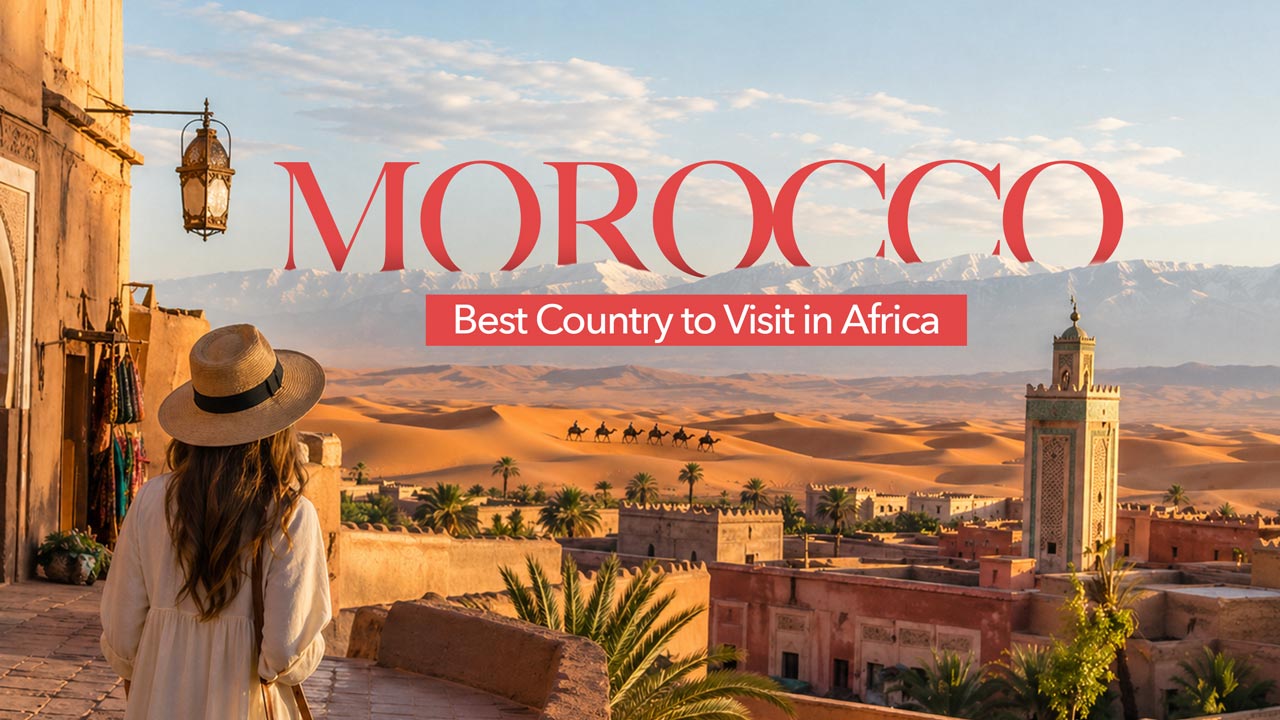
The dunes of Erg Chebbi near Merzouga, and those of Erg Chegaga further west, are among the most extraordinary landscapes on the planet. Arriving by camel at sunset, sleeping in a desert camp under a sky full of stars, watching the light change over the dunes at dawn: these are experiences that stay with people for the rest of their lives. Women who found the cities demanding and exhausting consistently describe the desert as the moment Morocco won them over entirely.
The desert is also one of the more comfortable environments in Morocco for solo women. Berber hospitality operates on a different register from the transactional attention of the tourist medinas. Desert camp operators understand that their clientele is frequently international and solo, and the experience is designed accordingly.
The non-negotiable here is planning: going to the Sahara requires either a multi-day tour or serious independent organizing involving long drives across remote roads. A reputable operator who handles transportation from Marrakech or Fes, the overnight camp, and the return journey is not a luxury for the desert: it is simply how the trip works well.
The Honest Friction Points (and What Solves Them)
Across all of Morocco’s most-visited destinations, the same friction points come up repeatedly for solo women:
Navigation in the medinas. The historic medinas, particularly Fes, were not designed for tourists with GPS. Getting lost is normal. Getting lost while being followed or misdirected is the experience that wears people down.
Touts and fake guides. The classic “wrong way” script, the closed-shop redirect, and the unsolicited helper who expects payment afterward are present in every major medina. Knowing about them helps. Not dealing with them at all helps more.
The cumulative mental load. Even women who describe feeling physically safe in Morocco frequently describe a specific kind of exhaustion: the energy required to stay alert, assertive, and oriented simultaneously, across multiple cities, across multiple days.
Getting between destinations. Morocco is a large country. The distance from Tangier to Marrakech, or from Marrakech to the Sahara, is not trivial. Figuring out trains, buses, and shared taxis while managing luggage and staying oriented adds a layer of stress that many travelers underestimate.
Missing the depth. Morocco has an extraordinary layered history, from the Idrisids who founded Fes in the 8th century to the Merenids who built its greatest madrasas to the Saadians who transformed Marrakech to the Alaouite dynasty that continues today. Walking through these cities and landscapes without that context is a bit like visiting the Louvre in the dark.
A private guide and driver solves every one of these points at once.
Why a Private Tour Changes the Experience Entirely
There is a meaningful difference between Morocco with a guide and Morocco without one, and it is not just about safety. It is about what you actually get to experience.
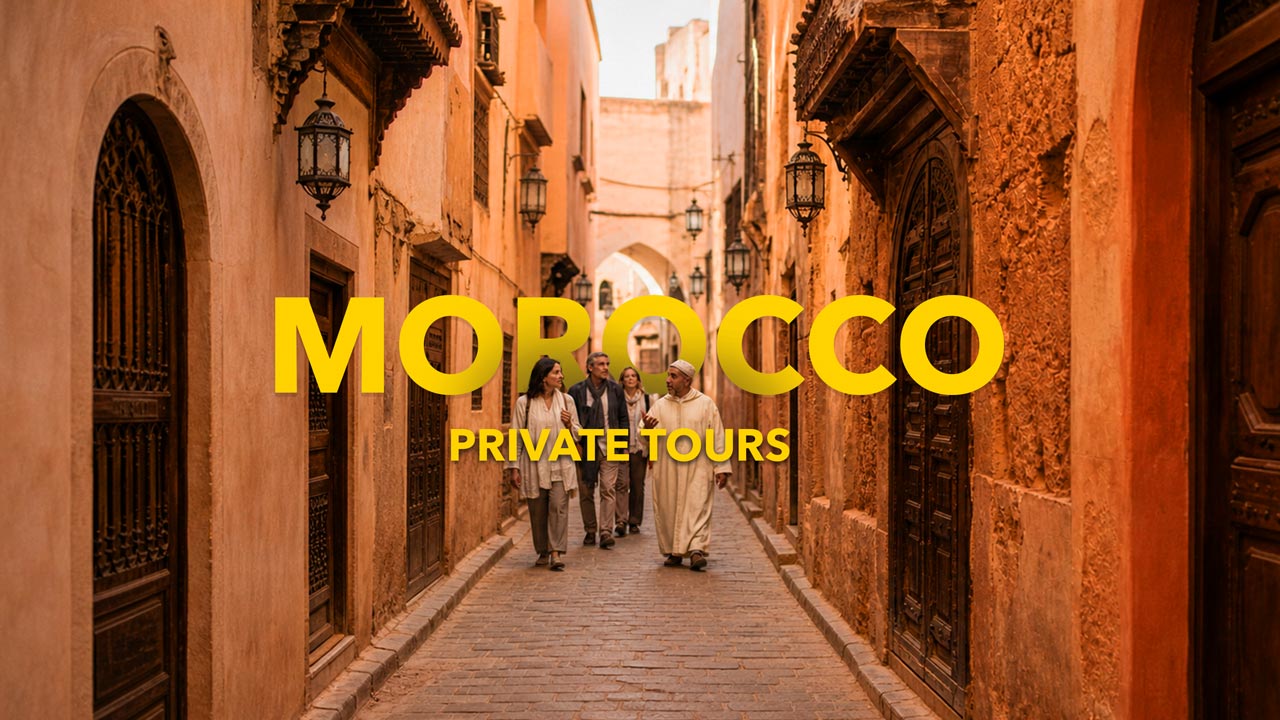
When you travel Morocco with a private guide, the medinas stop being an obstacle and become the point. Your guide knows which alley leads to the brass casters and which one loops back to the tourist trap. They walk you through Fes el-Bali and explain what you are looking at, why the Chouara tanneries are laid out the way they are, and what the different colors of the leather actually mean. In Marrakech, they take you through the souks without the running commentary of vendors following you down the lane.
The touts almost entirely disappear. A solo woman walking confidently with a local guide signals that she is not a navigation target, and that social dynamic shifts the entire medina experience.
At historic and religious sites, context is everything. A guide who has spent years studying Moroccan history turns a walk through Volubilis or the Bou Inania Medersa from a series of beautiful photographs into something you actually understand and carry with you.
Transportation between cities and regions is arranged. You are not figuring out the CTM bus terminal in Casablanca, negotiating a taxi at the Tangier port, or calculating whether you can reach Merzouga before dark. You arrive at each destination, which has been selected because it is secure, well-reviewed, and well-located. Your days are structured around what you want to see, at the pace you want to move.
Across the south, the private vehicle is the enabling condition for the whole experience. The road from Ouarzazate through the Draa Valley toward the Sahara is genuinely spectacular. In a shared transport arrangement you watch the road from a window seat. With a private driver who knows the region, you stop at the places worth stopping at.
And perhaps most importantly: you have someone to ask. Someone who grew up in this country, speaks the language, understands the culture from the inside, and can tell you which restaurant the locals actually eat at versus the one with the English menu and the tourist markup.
That is not a small thing when you are traveling alone.
Is It Worth the Investment?
A private tour costs more than booking everything independently. That is simply true, and it deserves an honest answer.
What it gives you in return: no wasted days, no exhausting medina battles, no half-experienced cities because you spent two hours lost in the wrong alley, no scrambled logistics between a port city and the Sahara, and no missed context at sites that have centuries of history behind them. It gives you Morocco as the place it actually is, rather than Morocco as an obstacle course.
Many women who travel independently and skillfully in other parts of the world come back from Morocco and say they wished they had gone with a guide. The specific combination of labyrinthine medinas, active tout culture, vast distances, and the sheer density of things worth understanding makes Morocco one of the destinations where local expertise genuinely multiplies the experience.
If you are visiting for the first or second time, particularly across multiple regions, the investment is almost certainly worth it.
Traveling with Simply Morocco
Simply Morocco has been running private tours across Morocco since 2013. Every itinerary is private, meaning you travel with your own dedicated guide and driver, not a group with its own schedule and interests. Routes cover the imperial cities, the south, the desert, the coast, and the north, and accommodation is selected across three tiers (Standard, Affordable Lux, and Deluxe) so the experience fits what you are looking for.
If you are planning a trip and want to talk through options, the best starting point is reaching out with your travel dates, the number of people in your group, and which cities and regions you want to cover. From there, a custom itinerary can be built around you.
Morocco is worth going. Going well makes it worth going back.